Hey there, fellow wanderlusters! Are you dreaming of those postcard-perfect white sand beaches and crystal-clear turquoise waters that make Antigua and Barbuda an absolute paradise?
I know I am, and honestly, escaping to such a breathtaking destination always feels like the ultimate goal. You might be thinking, ‘How do I even begin to plan a journey to such an idyllic spot?’ Well, trust me, getting there is part of the adventure, and with a few insider tips, it’s far more straightforward than you might imagine.
I’m here to share all the up-to-date details you’ll need to turn that dream into a stunning reality. Let’s find out exactly how to make your trip to Antigua and Barbuda unforgettable!
Soaring to the Caribbean: Your Flight Plan Unveiled

Okay, let’s talk about the exciting part: actually getting your feet onto those soft, white sands! When I first started dreaming of Antigua, I pictured endless, complicated flights, but trust me, it’s surprisingly accessible. For most of my fellow travelers from North America and Europe, direct flights are your best friend. Major airlines like American Airlines, Delta, United, British Airways, and Virgin Atlantic all offer routes straight into V.C. Bird International Airport (ANU). It’s such a relief to step off a long flight and know you’re just a short drive from paradise. I remember landing there for the first time, feeling that warm Caribbean air hit me, and instantly all the pre-travel jitters melted away. Connecting flights are also widely available through hubs like Miami, Charlotte, Toronto, or London, giving you plenty of flexibility. Don’t be afraid to play around with different dates and even consider flying on weekdays; sometimes those mid-week departures can save you a pretty penny, leaving more cash for those irresistible rum punches!
Direct Flights and Connecting Routes
Finding a direct flight really cuts down on travel time and makes the whole journey feel smoother. From the East Coast of the U.S. or major European cities, you’re looking at a relatively quick hop. For those of us living further afield, connecting through a larger international airport is usually the way to go. I always recommend checking flight aggregators like Google Flights or Skyscanner, but also peeking directly at airline websites. Sometimes they have exclusive deals you won’t find anywhere else. Plus, signing up for flight alerts can be a game-changer; I’ve snagged some incredible fares just by being patient and letting the deals come to me. Think about which hub is most convenient for you – for me, Miami often works wonders, but for others, it might be Charlotte or New York. The key is to be flexible and hunt for those sweet spots.
Choosing the Right Airline for Your Caribbean Adventure
When it comes to airlines, everyone has their favorites, right? For a trip to Antigua, I usually weigh a few things: directness of the flight, baggage allowance (because who wants to skimp on cute beach outfits?), and of course, those precious frequent flyer miles. British Airways and Virgin Atlantic are fantastic if you’re coming from the UK, offering that classic full-service experience. From the U.S., American Airlines, Delta, and United are reliable choices. Personally, I’ve had great experiences with all of them, but I always lean towards the one that offers the most convenient schedule for my itinerary. And here’s a pro tip: if you’re traveling with a group or have specific needs, sometimes it pays to call the airline directly. You might uncover options or packages that aren’t obvious online. Don’t forget to check their in-flight amenities too – a good movie makes all the difference on a longer flight!
Sailing to Serenity: Cruising to the Caribbean Gem
While flying is often the quickest way to get to Antigua, there’s a unique charm to arriving by sea. Cruising offers an entirely different kind of travel experience, and honestly, it’s a fantastic way to get a taste of multiple Caribbean islands, including our beloved Antigua. I’ve taken a few cruises that stopped in St. John’s, and let me tell you, waking up to the sight of that vibrant harbor as the ship docks is absolutely breathtaking. You get this incredible panoramic view of the island before you even step ashore. Major cruise lines like Royal Caribbean, Carnival, Celebrity Cruises, and Norwegian Cruise Line all feature Antigua on various Eastern and Southern Caribbean itineraries. It’s perfect if you love the idea of unpacking once and letting your floating hotel take you from one stunning destination to another. Plus, for those who enjoy curated excursions, cruise lines offer a plethora of options, from historical tours to catamaran sails, making your day in Antigua truly memorable.
Popular Cruise Lines and Itineraries
If cruising is your jam, you’re in luck because Antigua is a staple on many top-tier Caribbean itineraries. Royal Caribbean often includes St. John’s as a highlight, as do Celebrity and Princess Cruises, which cater to a slightly more upscale experience. For a more family-friendly vibe, Carnival is always a solid choice. I’ve found that itineraries featuring Antigua usually combine it with other gems like St. Lucia, Barbados, or St. Maarten, giving you a wonderful medley of island cultures and landscapes. When you’re browsing, pay attention to the length of the port stop in Antigua. Some are a full day, giving you ample time to explore, while others might be shorter. My personal advice? Opt for the longer stops if you can, especially if it’s your first time. You’ll want every minute you can get to soak in the Antiguan charm, maybe even grab a quick lunch at a local spot near the port, which I always try to do for an authentic taste of the island.
What to Expect from a Cruise Stopover
Arriving by cruise ship in Antigua is a breeze. Most ships dock at the Deep Water Harbour in St. John’s, which is super convenient as it’s just a stone’s throw from the heart of the capital. As soon as you disembark, you’ll find a bustling welcome with local vendors, taxis, and tour operators ready to help you make the most of your day. I love that immediate immersion into the local vibe! You’ll often see the colorful duty-free shops of Heritage Quay right there, perfect for a little souvenir hunting. My advice for a cruise stopover is to have a plan, even if it’s a loose one. Do you want to hit a beach like Dickenson Bay or Jolly Harbour? Explore Nelson’s Dockyard? Or simply wander through St. John’s? Taxis are readily available and drivers are usually happy to suggest itineraries. Just remember to agree on a price before you set off. Also, keep an eye on the ship’s “all aboard” time – you definitely don’t want to miss your sailing back to sea! Enjoying a fresh seafood lunch at a local restaurant is always on my list when I’m there on a cruise.
Visa Essentials: What You Need to Know Before You Go
Before you get too caught up in dreaming of those turquoise waters, let’s talk practicalities – specifically, visa requirements. This is one of those crucial details that can make or break your trip, so it’s super important to get it right. The good news is that for many nationalities, including citizens of the United States, Canada, the United Kingdom, and most Commonwealth countries, a visa is generally *not* required for stays up to 6 months. How fantastic is that? You typically just need a valid passport that’s good for at least six months beyond your intended departure date, a return or onward ticket, and proof of sufficient funds for your stay. I always double-check the official government website of Antigua and Barbuda or consult my country’s foreign travel advisory site well in advance, because these things can change. There’s nothing worse than getting to the airport only to find out you’re missing a vital document. Better safe than sorry, right?
Visa Requirements for Major Nationalities
So, as I mentioned, if you’re from the US, Canada, UK, or most EU countries, you’re usually good to go without a visa for short tourist stays. For other countries, or if you plan to stay longer than six months, you will likely need to apply for a visa in advance through an Antiguan consulate or embassy. It’s always best practice to confirm your specific situation based on your nationality. For example, some Latin American and Asian countries do require a visa. I’ve had friends who almost overlooked this, so I always stress how important it is to cross-reference! The application process usually involves filling out a form, providing passport-sized photos, and submitting your passport for processing. Fees apply, of course. Don’t leave this until the last minute; give yourself plenty of time, especially if mailing documents is involved. A little planning here saves a lot of stress later.
Health and Entry Protocols (Post-Pandemic Considerations)
In today’s world, it’s not just about visas; it’s also about health and entry protocols. While many of the stricter pandemic-era restrictions have eased, it’s still smart to stay informed. Antigua and Barbuda have been very proactive in ensuring visitor safety, and it’s always wise to check their official tourism or government websites for the very latest updates. Typically, this might involve declarations of health, but often, specific vaccination or testing requirements have been lifted for general entry. However, travel insurance that covers medical emergencies and trip cancellations is something I *always* recommend. I learned this the hard way once on a different trip, and trust me, having that peace of mind is invaluable. Even minor things like an upset stomach from trying too much new food can lead to unexpected costs, so it’s worth the small investment. Always pack any personal medications with copies of prescriptions, just in case.
Seamless Arrivals: Airport and Port Experiences
Alright, you’ve landed or docked! Now what? The arrival experience in Antigua is, in my opinion, one of the most welcoming in the Caribbean. V.C. Bird International Airport (ANU) is a modern and efficient facility. When you disembark your flight, you’ll go through immigration, where friendly officers will check your passport and any necessary documents. It’s usually a pretty smooth process, though like any airport, peak times can mean a bit of a wait. Once you’re stamped in, it’s off to baggage claim, and then through customs. I’ve always found the customs agents to be polite and efficient. Outside, you’ll be greeted by the warm Caribbean air and a line of taxis ready to whisk you away to your accommodation. For cruise passengers, disembarking at St. John’s is equally straightforward. The port area is well-organized, and you’ll easily find transportation, information booths, and local vendors right outside the terminal. It truly feels like they’re happy to have you there, which sets a wonderful tone for your entire trip!
Landing at V.C. Bird International Airport (ANU)
Stepping off the plane at ANU is always a moment I cherish. The airport itself is quite modern and a far cry from some of the older, smaller Caribbean airports. The immigration hall is spacious, and while there might be queues, they generally move at a decent pace. Make sure to have your immigration form (usually handed out on the plane) filled out completely to speed things up. Once you clear immigration, you’ll head down to the baggage claim area. There are ample luggage carts available, and porters are usually on hand if you need assistance (a small tip is always appreciated!). After collecting your bags, you’ll pass through customs. Unless you’re bringing in unusual items, this is typically a quick formality. Just beyond customs, you’ll enter the arrivals hall where you’ll find car rental desks, tour operators, and the official taxi stand. I always recommend using the official taxi stand to ensure fair pricing and licensed drivers. It’s all part of the easy-going island vibe!
Port Facilities and Customs for Cruise Passengers
For those arriving by cruise ship, the experience at St. John’s port is fantastic. Your ship will likely dock at the Deep Water Harbour, which has excellent facilities. As you walk off the gangway, you’ll immediately find yourself in a vibrant area. There are often welcome booths with maps and information, and plenty of taxis and tour buses waiting. Customs for cruise passengers is generally handled onboard your ship or is a quick formality at the port, especially if you’re just visiting for the day. You’ll typically be given a port pass or instructions on what to do. One of the best things about the Deep Water Harbour is its proximity to Heritage Quay and Redcliffe Quay, which are fantastic for duty-free shopping and exploring local crafts. I love taking a leisurely stroll through these areas, grabbing a fresh juice, and soaking in the atmosphere before heading off on my day’s adventure. It’s a very user-friendly port, making your shore excursion totally stress-free.
Beyond the Arrival Gate: Getting Around Antigua and Barbuda
So, you’ve arrived, you’re settled, and now you’re itching to explore! Getting around Antigua is part of the fun, and you have a few excellent options, each with its own charm. The island isn’t huge, but it’s big enough to warrant some planning for your movements. I’ve tried everything from renting a car to relying solely on taxis, and each has its pros and cons. For me, the freedom of having my own wheels really enhances the experience, allowing spontaneous detours to hidden beaches or local eateries. However, if you prefer to relax and let someone else do the driving, taxis are plentiful and drivers are often a fantastic source of local insights and stories. You’ll find the roads are generally well-maintained, though some of the more rural routes can be a bit bumpy – adding to the adventure, of course! Remember, driving is on the left-hand side, so keep that in mind if you’re used to the right. And for Barbuda, a short flight or ferry ride is usually your best bet, opening up a whole new level of pristine, untouched beauty.
Renting a Car: Freedom on Four Wheels
If you’re anything like me and love the freedom of exploring at your own pace, renting a car in Antigua is an excellent choice. It allows you to discover secluded coves, vibrant local villages, and charming roadside stands that you might miss on organized tours. You’ll find major international car rental companies like Hertz, Avis, and Budget, as well as reputable local operators, right at the airport or easily accessible from your hotel. Just a heads up: you’ll need a temporary Antiguan driving permit, which you can usually get at the car rental desk by showing your valid home country driver’s license and paying a small fee (around 20 USD). It’s valid for three months. Remember, they drive on the left! It can take a little getting used to, especially navigating roundabouts, but after an hour or so, you’ll feel like a local. I’ve always found the signage to be adequate, and a good map app on your phone (downloaded offline!) will be your best friend for navigating to all 365 beaches.
Taxis and Local Transportation Tips

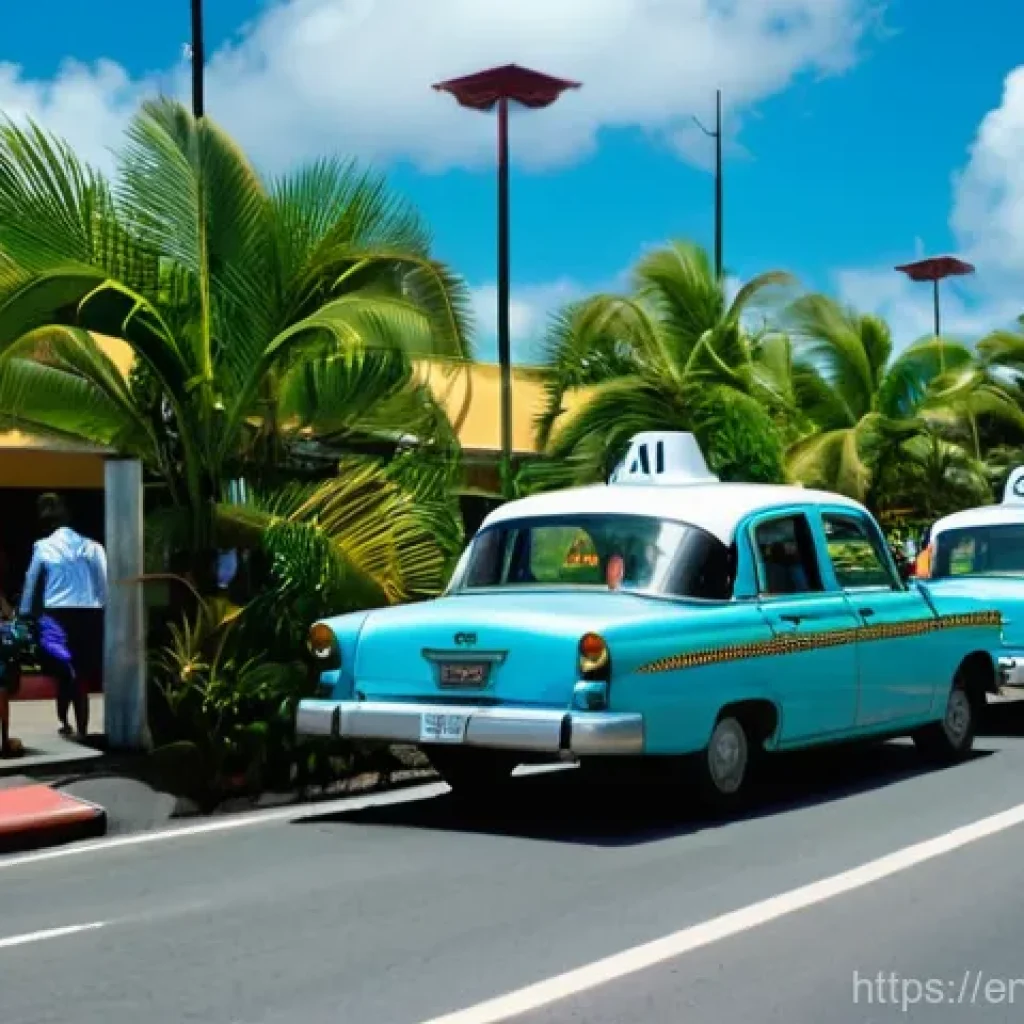
For those who prefer a more laid-back approach or aren’t comfortable driving on the left, taxis are readily available and a popular option. You’ll find them at the airport, cruise port, major hotels, and in St. John’s. Taxi fares are regulated, but it’s always a good idea to confirm the price with the driver before you start your journey. For example, a ride from the airport to St. John’s might be around 20-25 USD, while a longer trip to English Harbour could be 30-40 USD. Many drivers are excellent unofficial tour guides, happy to share insights about the island’s history and culture. You can even negotiate a full-day rate with a taxi driver for a personalized island tour, which can be a fantastic way to see the sights without the stress of navigating. Buses are another, more budget-friendly option for getting around St. John’s and to some of the main towns, offering a truly local experience. They can be a bit less frequent or direct to tourist hotspots, but they are incredibly affordable.
Packing Smart: Essentials for Your Island Escape
Alright, let’s talk packing! This is where the anticipation really builds, right? Imagining what you’ll wear as you sip a cocktail by the sea or explore historic sites. For Antigua and Barbuda, the key is light, breathable, and versatile. Think tropical chic meets practical adventurer. The weather is consistently warm and sunny, with occasional refreshing showers, so you’ll want to be prepared for both. I always pack a mix of swimwear (at least three suits, because who wants to put on a damp one?), light dresses or shorts and tops for daytime, and a couple of slightly dressier outfits for evening dinners. Don’t forget a wide-brimmed hat and sunglasses – the Caribbean sun is no joke! And comfy sandals are a must, both for beach walks and exploring. I’ve definitely made the mistake of overpacking before, only to realize I wear the same few favorite outfits repeatedly. Less is more when you’re traveling to an island paradise!
Wardrobe Wonders for Tropical Weather
When curating your island wardrobe, think fabrics that breathe: cotton, linen, and rayon are your best friends. Light, flowy dresses, jumpsuits, shorts, and breathable shirts will keep you comfortable in the heat and humidity. For evenings, a nice sundress for women or smart casual trousers and a polo shirt for men will be perfect for most restaurant settings. There’s no need for formal wear unless you’re planning a very specific high-end event. I always throw in a light cardigan or a pashmina; sometimes air-conditioned restaurants can get a little chilly, or it’s nice to have for a breezy evening stroll. Don’t forget your swimwear! As I mentioned, multiple options are great so you always have a dry suit ready. A waterproof bag for beach days is also a genius idea to keep your phone and essentials dry. Embrace the vibrant colors and relaxed styles that fit the Caribbean vibe – you’re on vacation, after all!
Tech and Health Must-Haves
Beyond clothes, there are a few other absolute essentials. First, sun protection! High SPF sunscreen (reef-safe if you plan to snorkel or dive), after-sun lotion, and insect repellent are non-negotiables. Trust me, nothing ruins a beautiful evening quite like mosquito bites. For tech, definitely bring a universal travel adapter if your chargers aren’t compatible with North American outlets (Type A and B). While many places have Wi-Fi, consider if you want a local SIM card for data, or if your phone plan offers international roaming. I always download offline maps and useful apps before I go. And don’t forget a portable power bank – perfect for keeping your phone charged during long beach days or island tours. As for health, a basic first-aid kit with pain relievers, band-aids, and any personal medications is smart. Staying hydrated is key, so a reusable water bottle is a great addition, especially since tap water is generally safe to drink in Antigua, though bottled water is widely available.
Timing Your Visit: When to Experience the Best of Antigua
Choosing the right time to visit Antigua and Barbuda can really enhance your experience. While it’s a fantastic destination year-round, there are peak seasons and quieter times, each with its own advantages. I’ve visited during different months and have come to appreciate the nuances. Generally, the dry season, running from mid-December to May, is considered the prime time. This period offers consistently sunny days, lower humidity, and cooler breezes – absolutely perfect beach weather! Of course, this is also peak tourist season, so you’ll find more crowds and higher prices for flights and accommodation. If you’re looking for a slightly more budget-friendly trip with fewer people, but still great weather, the shoulder months of May and early June, or late November/early December, can be absolutely wonderful. You might get an occasional shower, but they usually pass quickly, leaving glorious sunshine in their wake.
High Season vs. Shoulder Season Perks
The high season, from December to May, is when Antigua truly shines with perfect weather. If you don’t mind the higher costs and more vibrant crowds, this is the time for consistently clear skies and comfortable temperatures, ideal for sailing, diving, and endless beach relaxation. It’s when many popular events, like Sailing Week, take place. However, the shoulder season (think late May/early June and late November/early December) holds a special place in my heart. The weather is still fantastic, but the island feels a bit more relaxed, and you can often snag better deals on hotels and flights. You might experience a brief tropical shower, but these are often a welcome respite from the heat and clear up quickly. The water is still warm, and the atmosphere is wonderfully laid-back. I’ve found that traveling in the shoulder season gives you a more authentic feel for the island, without the hustle and bustle of peak tourist times.
Festivals and Events to Catch
Antigua and Barbuda love a good celebration, and timing your visit with one of their vibrant festivals can be an unforgettable experience! The most famous is Antigua’s Carnival, usually held in late July/early August. It’s an explosion of color, music, and energy – think elaborate costumes, street parades, and non-stop revelry. If you’re a sailing enthusiast, Antigua Sailing Week in late April/early May is world-renowned, drawing yachts and spectators from all corners of the globe for thrilling races and lively onshore parties. Then there’s the Antigua Charter Yacht Show in December, showcasing stunning superyachts. Even if you’re not into sailing, the atmosphere is electric. Throughout the year, there are also local regattas, cultural events, and fishing tournaments. Checking the local tourism board’s calendar of events before you book is a brilliant way to see if there’s something extra special happening during your potential visit. Attending a local event truly immerses you in the island’s culture!
Budgeting for Bliss: Making Your Dollars Go Further
Let’s be real, a trip to paradise often comes with a price tag. But here’s the thing: with a little smart planning, your Antiguan adventure can be as affordable or as luxurious as you want it to be. I’ve done both budget-friendly trips and more indulgent getaways, and each has been incredible. The currency in Antigua and Barbuda is the Eastern Caribbean Dollar (XCD), but the U.S. Dollar (USD) is widely accepted everywhere, and sometimes even preferred by vendors. The exchange rate is usually fixed at around 2.7 XCD to 1 USD, so it’s easy to calculate. While it might seem expensive compared to some other destinations, there are plenty of ways to manage your spending, from choosing self-catering accommodations to eating at local roti shops. It’s all about making conscious choices that align with your travel style and wallet, allowing you to enjoy every moment without constantly worrying about your budget. Prioritizing experiences over extravagant spending is my usual strategy!
Estimating Your Travel Costs
When I’m planning a trip to Antigua, I break down the budget into a few key areas: flights, accommodation, food, activities, and transportation. Flights, as we discussed, can vary wildly depending on the season and how far in advance you book. Accommodation ranges from charming guesthouses and Airbnb rentals to luxurious all-inclusive resorts. You can find options for every budget! Food can be a big variable – eating out at high-end restaurants every night will certainly add up, but exploring local eateries and markets for fresh produce or delicious street food (like a fantastic Roti or fresh fish from a vendor) can significantly cut costs. Activities like snorkeling, hiking, or simply relaxing on a public beach can be free or low-cost, while boat charters or diving excursions will be more of an investment. I always try to allocate a bit extra for unexpected treats or souvenirs, because a little splurge on vacation is always worth it!
Smart Spending on the Islands
To make your money stretch further, a few tricks always come in handy. Firstly, consider self-catering accommodation. Many villas and apartments come with kitchens, allowing you to buy groceries and prepare some of your own meals. Visiting local markets, especially the one in St. John’s, for fresh fruits, vegetables, and seafood is not only budget-friendly but also a fantastic cultural experience. Secondly, explore local dining options. Ask hotel staff or taxi drivers for their favorite spots – you’ll often discover hidden gems with incredible food at a fraction of the price of tourist-centric restaurants. Thirdly, take advantage of free activities: spending a day at one of the 365 beaches, hiking up to Shirley Heights for breathtaking views (though there’s a small entrance fee on Sunday nights for the party), or simply strolling through St. John’s. Always carry some small denominations of both XCD and USD for ease of transactions, especially with smaller vendors. And don’t forget to factor in a little extra for those irresistible souvenirs or a spontaneous rum punch!
| Category | Key Information for Travelers |
|---|---|
| Currency | Eastern Caribbean Dollar (XCD); US Dollar (USD) widely accepted. |
| Driving Side | Left-hand side of the road. Temporary local permit required for car rentals. |
| Electricity | 230 volts, 60 Hz. Type B (North American 3-pin) and Type G (British 3-pin) outlets. Adapters often needed. |
| Official Language | English. |
| Time Zone | Atlantic Standard Time (AST), UTC-4. |
| Tipping Etiquette | Customary for good service (10-15% in restaurants, small amounts for porters/taxi drivers). |
| Water | Tap water is generally safe to drink, but bottled water is widely available. |
Concluding Thoughts
And there you have it, fellow adventurers! My hope is that this guide helps you feel more prepared and even more excited for your journey to Antigua and Barbuda.
From the moment you step off that plane or cruise ship, you’re not just a tourist; you’re stepping into a vibrant culture, endless natural beauty, and a pace of life that encourages you to simply *be*.
I can honestly say, after multiple visits, that these islands hold a truly special place in my heart, and I’m always counting down the days until I can return.
Trust your instincts, embrace the unexpected, and get ready to create memories that will last a lifetime in this truly unforgettable Caribbean gem.
Useful Information to Know
1. Currency & Payments: While the Eastern Caribbean Dollar (XCD) is the official currency, U.S. Dollars (USD) are widely accepted across the islands. Credit cards are also generally accepted at hotels and larger establishments, but always carry some smaller denominations of cash for local vendors, taxis, and tips. The exchange rate for USD to XCD is typically fixed around 2.7:1.
2. Driving & Transportation: Remember, driving is on the left side of the road, British-style! If you plan to rent a car, you’ll need a temporary Antiguan driving permit, easily obtainable at car rental agencies with your valid home license for a small fee. Taxis are abundant and reliable, with regulated fares, and many drivers double as fantastic, impromptu tour guides.
3. Electricity & Connectivity: Antigua and Barbuda use both 230 volts/60Hz (Type G, British 3-pin) and 110/220 volts/60Hz (Type A/B, North American 2/3-pin) outlets. It’s wise to pack a universal travel adapter to ensure all your devices stay charged. Wi-Fi is common in accommodations, but consider a local SIM card for constant data access.
4. Water & Health: The tap water in Antigua is generally safe to drink, as it’s often desalinated, but many visitors still prefer bottled water, which is widely available. Always stay hydrated, especially under the tropical sun. Pack a good quality, reef-safe sunscreen and effective insect repellent – trust me, those pesky mosquitoes can be persistent in the evenings.
5. Tipping Etiquette: Tipping is customary in Antigua and Barbuda for good service. A 10-15% tip for restaurant staff is standard if a service charge isn’t already included (always check your bill). For taxi drivers, porters, and tour guides, a small gratuity is much appreciated, reflecting the friendly and helpful service you’ll often receive.
Key Takeaways
Embarking on an Antiguan adventure is truly a bucket-list experience, and a little forethought can transform a great trip into an absolutely phenomenal one.
My biggest piece of advice, honed over years of island hopping, is to truly immerse yourself in the local rhythm. Don’t be afraid to try that street food, chat with a taxi driver about their favorite hidden beach, or simply spend an afternoon watching the fishing boats come in.
Flexibility is your friend, too – sometimes the best discoveries are made when you veer off the planned path. Whether you’re flying directly into the modern V.C.
Bird International Airport or arriving by the serene waters on a cruise, the welcome you receive is genuinely warm. Always double-check visa requirements well in advance, pack light and smart for the tropical climate, and budget consciously to maximize your experiences, perhaps by embracing local eats and free beach days.
Most importantly, allow yourself to unwind, breathe in that incredible Caribbean air, and let the sheer beauty of Antigua and Barbuda wash over you. It’s a place that truly invites you to leave your worries behind and simply enjoy the magic.
Frequently Asked Questions (FAQ) 📖
Q: How do I actually get to
A: ntigua and Barbuda, and what are the essential entry requirements I should know about before I book my ticket? A1: Oh, this is such a fantastic question, and one I get all the time!
Getting to paradise might feel like a big hurdle, but trust me, it’s smoother than you think. For my fellow travelers from the USA, you’re in luck because there are plenty of direct flights.
Major airlines like American Airlines, Delta, United, and JetBlue offer routes from cities like New York (JFK and Newark), Miami, Atlanta, Houston, Boston, and even Philadelphia.
It usually takes anywhere from three and a half to five and a half hours, depending on where you’re flying from, which means you could be sinking your toes in the sand quicker than you’d imagine!
Now, for the nitty-gritty on entry – because nobody wants a hiccup at immigration, right? As of my last check, for US citizens, a visa isn’t needed for tourism if you’re staying up to 180 days, which is a glorious six months!
But here’s the golden rule, engraved from my own travel experiences: make absolutely sure your passport is valid for at least six months beyond your planned departure date.
Seriously, double-check that expiration date right now! You’ll also need at least one blank page for that coveted entry stamp. Keep proof of your onward or return ticket handy, along with your accommodation bookings, and a little evidence that you can support yourself during your stay – sometimes they ask, sometimes they don’t, but it’s always better to be overprepared than underprepared.
And a really important, more recent update: Antigua and Barbuda has gone digital! You now need to complete the mandatory “ArriveAntigua” form online via a mobile device within 72 hours of your flight.
This completely replaces the old paper forms, so don’t skip this step! Oh, and one last thing: leave the passport card at home for air travel – you’ll need your full passport book.
So, grab that passport, complete the online form, and get ready for takeoff!
Q: I’m trying to decide when to visit
A: ntigua and Barbuda. When’s the absolute best time to experience that perfect Caribbean vibe, and are there any times I should maybe try to avoid? A2: This is a classic question, and honestly, there’s a “best” time for everyone depending on what you’re looking for!
From my own island hopping, I can tell you that the sweet spot, what most people consider the peak season, runs from mid-December through mid-April. During these months, you’re looking at consistently glorious high temperatures, usually between 28 to 30°C (that’s about 82-86°F for my Fahrenheit friends!), tons of sunshine, and very little rain or humidity.
It’s truly picture-perfect weather, and it’s why so many folks flock there to escape the colder northern winters. However, if you’re like me and prefer a slightly quieter experience without sacrificing great weather, I’m a huge fan of the shoulder season, which is typically May and June.
The temperatures are still fantastic, hovering around 29°C (85°F), and you’ll often find fewer crowds and some really sweet deals on flights and accommodations.
It’s that lovely calm before the main wet season really kicks in. Now, about times to “maybe avoid” – the wet season runs from July to November. You’ll find higher humidity and more rainfall, but usually, these are brief, tropical showers that pass quickly, leaving you with sunshine again.
Temperatures remain hot, often over 30°C (86°F). This period also falls within hurricane season, with the highest risk from mid-August to mid-October.
While actual hurricanes are rare, it’s always wise to keep an eye on weather forecasts if you travel during this time. The upside? If you’re budget-conscious, you can often snag some incredible bargains during these months!
Plus, if you’re into vibrant cultural experiences, Antigua’s Carnival usually bursts to life from late July to early August, and Antigua Sailing Week in late April is a real spectacle!
So, really, it just depends on your priorities!
Q: Okay, I’m dreaming of those turquoise waters! What should I absolutely make sure to pack for my trip to
A: ntigua and Barbuda to be comfortable and ready for anything? A3: I totally get that feeling – visualizing those stunning beaches makes packing so much more exciting!
After several trips to Caribbean paradises, I’ve learned a thing or two about what truly makes a difference. First and foremost, you’re going to live in lightweight, breathable fabrics.
Think flowy sundresses, shorts, linen shirts, and lots of swimsuits – seriously, pack more than you think you need because you’ll want fresh ones daily for all those dips in the ocean!
For your feet, sandals or flip-flops are your everyday heroes for beach days, but don’t forget a comfy pair of walking shoes or sneakers if you plan on exploring some of the island’s charming towns or scenic trails.
Sun protection is non-negotiable! The Caribbean sun is glorious, but it’s powerful. Pack high SPF sunscreen (and consider reef-safe options to protect the marine life!), a wide-brimmed hat, and quality sunglasses.
I always throw in a rash guard too, especially if I know I’ll be spending a lot of time snorkeling or paddleboarding – it’s a lifesaver for preventing sunburn!
From a practical standpoint, insect repellent is a must-have for the evenings – those tropical bugs can be pesky. A small first-aid kit with basics like band-aids and pain relievers is always smart, and don’t forget your personal medications.
Aloe vera gel is also a great idea, just in case you get a little too much sun (we’ve all been there!). And of course, don’t leave home without your valid passport (and a photocopy stored separately, just in case!), chargers for all your devices, and maybe a portable power bank for those long beach days.
A reusable water bottle is fantastic for staying hydrated. If you’re visiting during the wetter months, a light rain jacket or a small, quick-dry umbrella can be a thoughtful addition.
For evenings out, especially if you’re planning a nice dinner, a slightly dressier outfit like a nice dress or a blazer for the gentlemen can be a good idea, as some upscale restaurants have dress codes.
Pack smart, and you’ll be set for an unforgettable adventure!