You know, when most of us picture Antigua and Barbuda, our minds immediately conjure images of pristine turquoise waters, powder-soft white sand beaches, and that glorious, sun-drenched Caribbean vibe.
And why wouldn’t they? These islands are absolutely breathtaking! But if you’re like me, someone who loves to look beyond the picture-perfect postcards, you’ll quickly realize there’s a profoundly rich and complex history woven into the very fabric of these stunning nations.
It’s a story that truly makes you pause and reflect. From the moment European powers first arrived, particularly with English settlers claiming the islands in the 17th century, Antigua and Barbuda’s destiny took a dramatic turn.
This wasn’t just about new flags being planted; it was the dawn of an era dominated by vast sugar plantations, an economic engine that, while incredibly profitable for some, was built on the unimaginable suffering of countless enslaved Africans.
Their forced labor shaped the very landscape and social structure, creating a legacy that resonates powerfully to this day. It’s a crucial part of their identity, influencing everything from their unique culture to their enduring spirit.
Understanding this colonial past isn’t just about revisiting old chapters; it’s about seeing the present with clearer eyes and a deeper appreciation for the resilience and vibrancy that defines these islands today.
Are you ready to dive into the full, unvarnished story? Let’s uncover the fascinating details below.
The Shifting Sands of Early European Claims
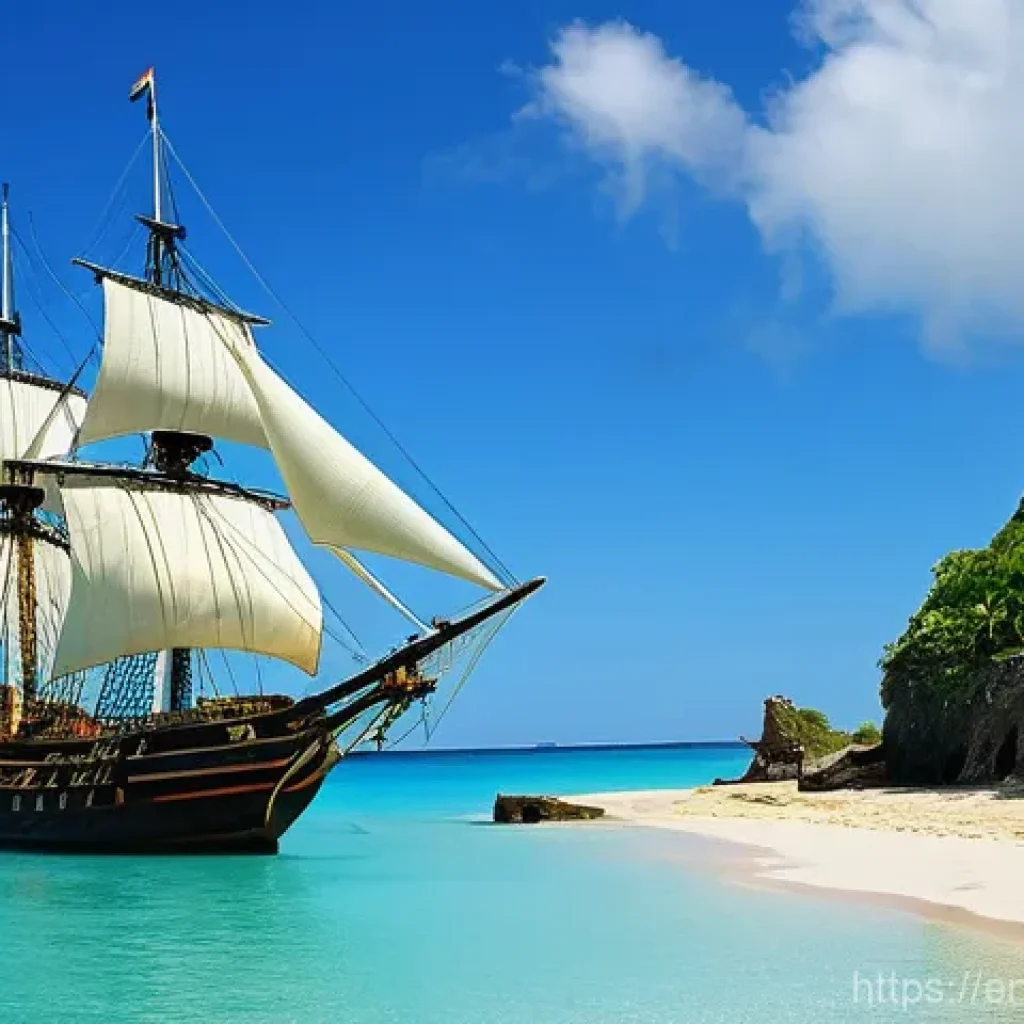
You know, it’s truly wild to think about how many hands these beautiful islands passed through before they truly found their footing. When those first European ships spotted Antigua and Barbuda, it wasn’t just a discovery; it was the start of a whole new, often tumultuous, chapter.
I can almost picture the sheer awe mixed with a clear agenda in the eyes of the early explorers. While Columbus reportedly sighted them in 1493, naming Antigua after Santa María la Antigua, the Spanish didn’t exactly set up shop.
It was really the English who, after a few failed attempts by others, finally managed to establish a lasting presence in the 1630s. This wasn’t just a flag-planting exercise; it was the beginning of an era where these islands would become crucial pieces on the chessboard of European colonial powers, constantly vying for control.
This period, for me, always underscores the immense geopolitical forces at play, turning serene Caribbean lands into hotbeds of ambition and conflict.
It truly makes you appreciate the resilience of the local population who witnessed these dramatic changes.
Initial Ventures and Colonial Ambitions
Before the English really dug in, you had a scattering of attempts by other European nations, but none truly stuck. It’s like everyone saw the potential but couldn’t quite figure out the winning formula.
Then, along came the English, seeing the strategic value and agricultural promise. They moved in, establishing settlements and almost immediately changing the landscape.
From what I’ve gathered, this wasn’t a gentle transition; it was a forceful assertion of power that set the stage for centuries of European dominance and the profound impact that would have on the indigenous peoples and, soon enough, on the vast numbers of enslaved Africans brought to its shores.
A Landscape Transformed by Arrival
Walking around Antigua today, you see hints of this past everywhere, from old forts to the names of towns. It truly hits you how thoroughly the arrival of these European powers reshaped everything.
The forests were cleared, the land was sectioned off, and the natural resources began to be exploited on a scale previously unimaginable. This wasn’t just an economic shift; it was an ecological and social upheaval that completely redefined what these islands were, and what they would become.
It’s a powerful reminder that history isn’t just dates and names; it’s about transformation on a grand scale.
The Rise and Reign of “White Gold”
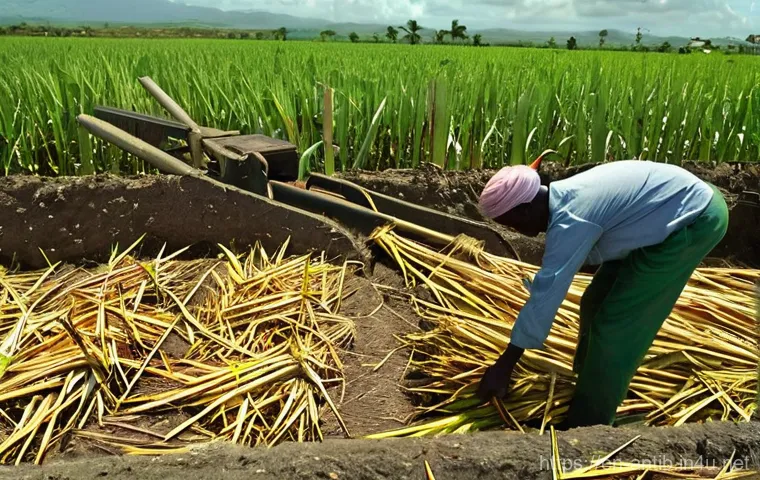
Oh, the sugar industry! If there’s one thing that truly defined the colonial era in Antigua and Barbuda, it has to be “white gold.” You know, when I first learned about the sheer scale of the sugar plantations, my mind reeled.
It wasn’t just a crop; it was the entire economic engine, the very lifeblood of the colonies, creating immense wealth for a select few across the Atlantic.
From the mid-17th century, the landscape rapidly transformed from small-scale farming to vast, sprawling fields of sugarcane. This wasn’t just agriculture; it was a highly organized, brutally efficient industrial system, decades, even centuries, ahead of its time in terms of output and profit generation.
But, as we all know, this glittering prosperity came at an unspeakably high human cost, one that still casts a long shadow over the islands’ history and identity.
Sugar’s Insatiable Demand for Labor
The thing about sugar is, it’s incredibly labor-intensive. From planting and harvesting the cane to the arduous process of milling and refining, every step demanded a relentless workforce.
This insatiable demand for labor quickly led to one of the darkest chapters in human history: the transatlantic slave trade. Indigenous populations were decimated by disease and forced labor, and so, the focus shifted to forcibly bringing millions of Africans across the ocean.
Antigua and Barbuda became key destinations in this horrific trade, their economic viability completely dependent on the forced, unpaid labor of enslaved people.
It’s a sobering thought, isn’t it?
Profits, Power, and the Planter Class
The wealth generated by sugar was truly astonishing. Planters back in Britain lived lavish lifestyles, and port cities thrived on the trade. This created a powerful planter class on the islands, who effectively controlled political and social life.
Their fortunes were directly tied to the exploitation of enslaved individuals, leading to a system designed to maximize profit at any human expense. It’s a stark reminder of how economic incentives can drive even the most inhumane practices.
For me, seeing the remains of old sugar mills today isn’t just a historical curiosity; it’s a poignant testament to the era of immense wealth and unimaginable suffering.
The Brutality of Enslavement and Daily Life
It’s easy to talk about “slavery” as a historical concept, but when you truly delve into the daily realities faced by enslaved people in Antigua and Barbuda, it hits you on a different level.
This wasn’t just about forced labor; it was a complete stripping away of humanity, a system designed to break the spirit and control every aspect of a person’s existence.
Imagine waking up every single day knowing your life wasn’t your own, constantly under the threat of violence and separation from loved ones. The work in the sugar cane fields was backbreaking, often from sunup to sundown, with meager rations and deplorable living conditions.
Disease was rampant, and medical care, for those who received any, was rudimentary at best. The resilience required to simply survive under such conditions is almost unfathomable, and it truly speaks volumes about the indomitable human spirit.
Resistance, Both Overt and Covert
Despite the overwhelming odds, enslaved people in Antigua and Barbuda found myriad ways to resist their bondage. It wasn’t always about large-scale rebellions, though those did happen and were brutally suppressed.
Often, it was more subtle: slowing down work, sabotaging tools, feigning illness, or running away into the interior to form maroon communities. And then there were the cultural acts of defiance – preserving traditions, languages, and spiritual practices that the enslavers tried so hard to eradicate.
These acts, big or small, were powerful assertions of humanity and a refusal to be completely defined by their oppressors. It’s a testament to their strength and determination.
The Social Fabric Under Duress
The institution of slavery didn’t just affect the enslaved; it fundamentally warped the entire social structure of the islands. A rigid hierarchy emerged, with white Europeans at the top, followed by free people of color, and then the vast majority, the enslaved.
This created a society rife with tensions, fear, and profound injustice. Laws were enacted specifically to maintain this order, controlling every movement and interaction of the enslaved population.
It’s a harrowing picture of a society built on an ethical abyss, where human beings were treated as mere property, and the psychological scars ran deep for generations.
Abolition’s Long and Winding Road
You know, when we talk about abolition, it’s easy to picture a sudden, triumphant moment of freedom. But for Antigua and Barbuda, the path was anything but straightforward.
While the British Parliament abolished the slave trade in 1807, that didn’t automatically mean freedom for those already enslaved. It took decades of persistent struggle, shifting political tides, and immense pressure from abolitionist movements before the Slavery Abolition Act of 1833 finally came into effect.
Even then, it wasn’t an immediate emancipation. Many enslaved people were subjected to an “apprenticeship” period, which, in many ways, felt like slavery by another name.
It really makes you realize that true freedom is often a process, not a single event, and that liberation often comes in stages.
The Apprenticeship System and Its Flaws
The apprenticeship system, which lasted for several years after 1834, was a deeply flawed attempt at a transition. The idea was to prepare formerly enslaved people for “freedom” by making them work for their former enslavers, supposedly for wages, but often under conditions that were barely distinguishable from slavery itself.
I’ve read accounts that make it clear this was a scheme designed more to protect the economic interests of the planters than to truly liberate the apprentices.
It created immense frustration and hardship, fueling further resistance and highlighting the deep-seated inequalities that persisted.
Economic Shifts Post-Emancipation
Once full emancipation finally arrived, the islands faced massive economic restructuring. The sugar plantations, once entirely dependent on free labor, struggled to adapt.
Many formerly enslaved people, understandably, chose to leave the plantations, seeking new opportunities and the chance to build independent lives. This led to a diversification of agriculture, the rise of small-scale farming, and a significant shift in the labor market.
It wasn’t an easy transition, with persistent challenges and new forms of economic control, but it marked a crucial turning point, allowing for the seeds of a new society to finally begin to grow.
| Year | Event / Milestone | Significance |
|---|---|---|
| 1493 | Christopher Columbus sights Antigua | Marks European “discovery” and initial naming. |
| 1632 | English colonization begins on Antigua | Permanent European settlement, leading to plantation economy. |
| c. 1650s | Introduction of large-scale sugar cultivation | Transforms economy, drives demand for enslaved labor. |
| 1807 | British Parliament abolishes the slave trade | Illegalizes the further importation of enslaved Africans. |
| 1834 | Slavery Abolition Act comes into effect | Emancipation for enslaved people, followed by apprenticeship. |
| 1838 | Full emancipation for all former apprentices | End of the apprenticeship period, full freedom granted. |
Towards Self-Governance and Independence
You know, the journey from colonial rule to self-determination is a truly remarkable one, and for Antigua and Barbuda, it was a path paved with determination and incremental steps.
After the era of slavery and the complex post-emancipation period, the focus gradually shifted towards greater local control and, eventually, full independence.
This wasn’t a sudden burst; it was a gradual awakening of national consciousness, with local leaders and movements advocating for increased autonomy. I always find it inspiring to see how people, after centuries of external control, reclaim their narrative and build a future on their own terms.
It’s a powerful testament to the human desire for self-determination.
From Colony to Associated State
The mid-20th century saw significant progress in this regard. Antigua and Barbuda moved through various stages of constitutional development, gaining more internal self-government.
One crucial step was becoming an Associated State of the United Kingdom in 1967. This meant they had full internal self-government, while the UK remained responsible for defense and external affairs.
For me, this period always represents a vital learning curve, where local politicians and administrators gained invaluable experience in governing their own nation, preparing them for the ultimate step of full independence.
The Dawn of Independence (1981)
And then, finally, the big day arrived! On November 1, 1981, Antigua and Barbuda proudly became an independent nation, joining the Commonwealth. It was a moment of immense national pride and celebration, marking the culmination of centuries of struggle and the beginning of a new chapter.
I can only imagine the palpable excitement and hope that filled the air on that historic day. While the challenges of nation-building were immense, independence was a powerful declaration of their right to chart their own course, free from the direct oversight of a colonial power.
It’s a story that truly makes you feel the weight and joy of historical moments.
Echoes of the Past in Present-Day Identity
When you visit Antigua and Barbuda today, you might initially just see the stunning beaches and vibrant culture. But if you look a little deeper, I promise you, you’ll start to see the profound echoes of their colonial past woven into the very fabric of their present-day identity.
This isn’t just about old buildings; it’s about the language, the culinary traditions, the music, and especially the resilient spirit of the people. It’s about understanding that their history, though often painful, is a source of immense strength and uniqueness.
For me, this is where history truly comes alive, showing how the past actively shapes the world we inhabit right now.
Cultural Fusion and Lingering Influences
The colonial era undeniably led to a fascinating blend of cultures. You hear English, of course, but also the beautiful Antiguan Creole, a testament to the linguistic ingenuity born from diverse influences.
The food, too, is a delicious fusion of African, European, and indigenous elements, creating flavors unique to the islands. Yet, some influences, like the lingering impact of colonial-era laws or administrative structures, can still be observed.
It’s a rich tapestry, where the threads of various histories are intertwined, creating something entirely new and wonderfully complex.
Resilience, Remembrance, and Moving Forward
Ultimately, the story of Antigua and Barbuda’s colonial past is one of incredible resilience. Despite unimaginable hardships and injustices, the people endured, resisted, and ultimately triumphed in their quest for self-determination.
Today, there’s a growing emphasis on remembering and acknowledging this history, not to dwell in bitterness, but to learn from it and ensure future generations understand the foundations of their nation.
For me, that’s the true power of history – it teaches us, inspires us, and helps us build a more just and equitable future. It’s a journey of remembrance that allows the vibrant present to truly shine.
Wrapping Things Up
And there you have it, folks – a glimpse into the incredible tapestry that is Antigua and Barbuda’s journey through history. It’s truly humbling to trace the threads from initial European encounters to the vibrant, independent nation they are today. My hope is that understanding this rich past deepens your appreciation for their stunning beauty, the resilience of their people, and the enduring spirit that shaped these twin jewels of the Caribbean. It’s a story of transformation, struggle, and ultimately, triumph, that truly resonates.
Handy Info You’ll Appreciate
Looking back at the historical journey, there are always those little nuggets of information that just tie everything together, especially if you’re planning a visit or just curious about how these incredible islands tick. Here are a few things I’ve found particularly interesting and useful to keep in mind, blending historical context with practical tips for a richer experience:
-
Local Currency & Economy: While US dollars are widely accepted across the islands, the official currency is the Eastern Caribbean Dollar (XCD), which is pegged to the USD. Knowing this can help you budget better, and you’ll often find that local prices are more favorable when you pay in XCD. It’s a key part of their economic fabric, reflecting regional ties and a unique identity.
-
Best Time to Visit: If you’re looking to experience the islands and explore historical sites without the peak holiday crowds, I’d personally recommend visiting between December and May. The weather is generally drier and cooler during this period, making it perfect for both relaxing on the legendary beaches and diving into the rich history we just discussed, like exploring Nelson’s Dockyard comfortably.
-
Beyond the Beaches: While Antigua is justifiably famous for its 365 pristine beaches, don’t miss out on the incredible historical gems. Nelson’s Dockyard in English Harbour is a UNESCO World Heritage site and truly transports you back in time to the naval power struggles of the past. Barbuda, on the other hand, offers a more untouched, serene experience with its unique pink sand beaches and the spectacular Frigate Bird Sanctuary. Both islands offer such unique vibes that complement their shared history!
-
Cultural Etiquette: Politeness goes a long way here! A simple “good morning” or “good afternoon” when greeting locals is always appreciated and reflects a genuine respect for their culture. It’s a small gesture but really shows you’re engaging with the warm, friendly people who call these islands home. From my travels, I’ve learned these human touches make all the difference in your interactions and connections.
-
Getting Around: Renting a car offers the most flexibility to explore all the nooks and crannies, but remember they drive on the left side of the road! Taxis are also readily available, often with set fares for popular routes. For the more adventurous, local buses offer a vibrant, cost-effective way to get around and experience local life. For me, navigating the island roads always adds to the sense of adventure and discovery, revealing hidden gems along the way.
Key Takeaways to Remember
Reflecting on everything we’ve covered, it’s clear that Antigua and Barbuda’s history is a powerful narrative, brimming with lessons and vibrant legacies. For anyone looking to truly grasp the essence of these islands, understanding these pivotal points is absolutely crucial. It’s not just about what happened, but how those events sculpted the very soul of the nation we see today, providing a deeper context for its culture, its people, and its enduring charm. From a blogger’s perspective, focusing on these deep-seated truths is how you connect with your audience on a truly meaningful, trustworthy level.
The Indelible Stamp of Colonialism
We’ve traced how deeply European ambitions, particularly British, reshaped the islands’ destiny from the 17th century onwards. This wasn’t just about governance; it was a complete overhaul of society, economy, and environment, setting the stage for centuries of development and struggle. The remnants are still vividly visible today in the architecture of historic buildings, the prevalent language, and certain administrative structures, serving as constant, tangible reminders of a complex and multifaceted past. My personal experience exploring the historic forts and plantations always reinforces just how profound and lasting this impact truly was, almost as if the very stones themselves whisper stories of old, connecting you directly to history.
Sugar’s Bitter Sweet Legacy
The “white gold” era, fueled by the brutal transatlantic slave trade, irrevocably altered the islands’ demographics and economic structure, creating immense wealth for some at an unimaginable cost to others. This period, though dark and deeply painful, is fundamental to understanding the incredible resilience and the rich cultural tapestry that emerged from such adversity. The subsequent fight for freedom and eventual emancipation wasn’t a simple, immediate transition but a long, arduous process, laying the essential groundwork for future self-determination and the gradual forging of a national identity. It’s a powerful testament to the indomitable human spirit’s ability to endure, resist, and create beauty even in the face of immense suffering.
A Journey Towards Self-Determination
The progression from a strictly controlled colony to an associated state and finally to full independence in 1981 highlights a truly remarkable journey of national identity formation and self-governance. This path was courageously forged by dedicated local leaders and a populace yearning for the undeniable right to chart their own course, free from external oversight. Witnessing how these islands have embraced their sovereignty, while actively navigating the complexities and challenges of a modern globalized world, truly exemplifies the power of collective will and the unwavering pursuit of freedom. It’s a story of empowerment that truly inspires, demonstrating how nations rise, define their own futures, and preserve their unique heritage.
Frequently Asked Questions (FAQ) 📖
Q: So, what exactly kicked off
A: ntigua and Barbuda’s colonial journey, and how did it go from pristine islands to a hub of European interest? A1: You know, it’s wild to think about, but before the Europeans came knocking, these islands were home to indigenous peoples for centuries.
The real game-changer, though, came in the 17th century, specifically when English settlers arrived and decided these beautiful spots were theirs for the taking.
I’ve always found it fascinating how quickly things can change with a new flag and new ambitions. It wasn’t just a simple claim; it was the start of a completely new era where the focus shifted dramatically from the serene, natural way of life to something much more organized, and frankly, exploitative.
From my perspective, this moment wasn’t just about discovery; it was about a profound redirection of the islands’ future, setting the stage for what was to come.
Q: We hear a lot about sugar plantations and slavery in the Caribbean. How did this truly define
A: ntigua and Barbuda’s colonial experience, and what was the impact on the people? A2: This is where the story gets really heavy, and it’s something I think everyone needs to deeply understand.
Once the English were firmly established, they quickly realized the incredible potential for profit in sugar. And I mean incredible. Sugar became the economic lifeblood, but here’s the heartbreaking truth: that wealth was built entirely on the unimaginable suffering of countless enslaved Africans.
They were forcibly brought across the Atlantic, stripped of their freedom, their culture, and their humanity, to work under brutal conditions on these vast plantations.
My heart truly aches when I reflect on the sheer scale of this human tragedy. It wasn’t just a side note; it was the absolute core of the colonial economy, shaping every inch of the land, every social structure, and every person’s destiny in the most profound and often devastating ways imaginable.
The sheer resilience of those who endured this period is something I find truly inspiring, even amidst the immense sorrow.
Q: Considering this complex past, how does the legacy of colonialism and slavery still influence modern
A: ntigua and Barbuda today, and what does it mean for visitors like us? A3: That’s such an insightful question, and honestly, it’s one I ponder a lot when I visit historical sites or even just chat with locals.
What I’ve come to understand is that the echoes of that colonial past and the era of slavery aren’t just in history books; they’re woven into the very fabric of modern Antiguan and Barbudan life.
You see it in the incredible resilience of the people, the vibrant blend of cultures, the unique dialects, and even in some of the architectural styles.
It has fundamentally shaped their identity, their spirit, and their enduring sense of community. For us as visitors, it means looking beyond the breathtaking beaches and really appreciating the depth of their history.
When I walk through a former plantation estate, for example, I don’t just see ruins; I see a testament to immense human struggle and an incredible spirit of survival and eventual triumph.
It adds such a profound layer to the beauty of the islands, making the experience so much richer and more meaningful than just a typical sun-and-sand vacation.