When I think of Antigua and Barbuda, my mind immediately conjures images of pristine beaches and turquoise waters. But scratch beneath the surface, and you’ll discover a vibrant heart pulsing with rich cultural heritage, especially evident in its traditional crafts.
I still vividly recall the intricate patterns on a hand-woven straw basket I picked up years ago – it wasn’t just a souvenir; it felt like a piece of the islands’ soul, carrying whispers of generations past.
There’s a tangible warmth in each unique piece, whether it’s the earthy glow of a hand-thrown pottery bowl or the rich gleam of intricately carved wood, crafted by artisans whose skills are passed down through families.
These aren’t just pretty objects; they are vital threads in the fabric of Antiguan and Barbudan identity, increasingly finding their place on global stages through sustainable tourism and digital marketplaces.
In an age where authenticity is highly prized, these traditional arts are experiencing a powerful resurgence, connecting visitors to the true spirit of the Caribbean.
Let’s delve deeper and find out precisely how.
The Whispers of Weave and Basketry: Crafting with Nature’s Bounty
The very first traditional craft I truly connected with in Antigua and Barbuda was the intricate art of basket weaving, and it left an indelible impression on me.
I remember holding that straw basket, feeling the subtle texture of the dried palm fronds, the gentle give of each tightly woven strand, and marvelling at the precision that must have gone into creating such a functional yet beautiful item.
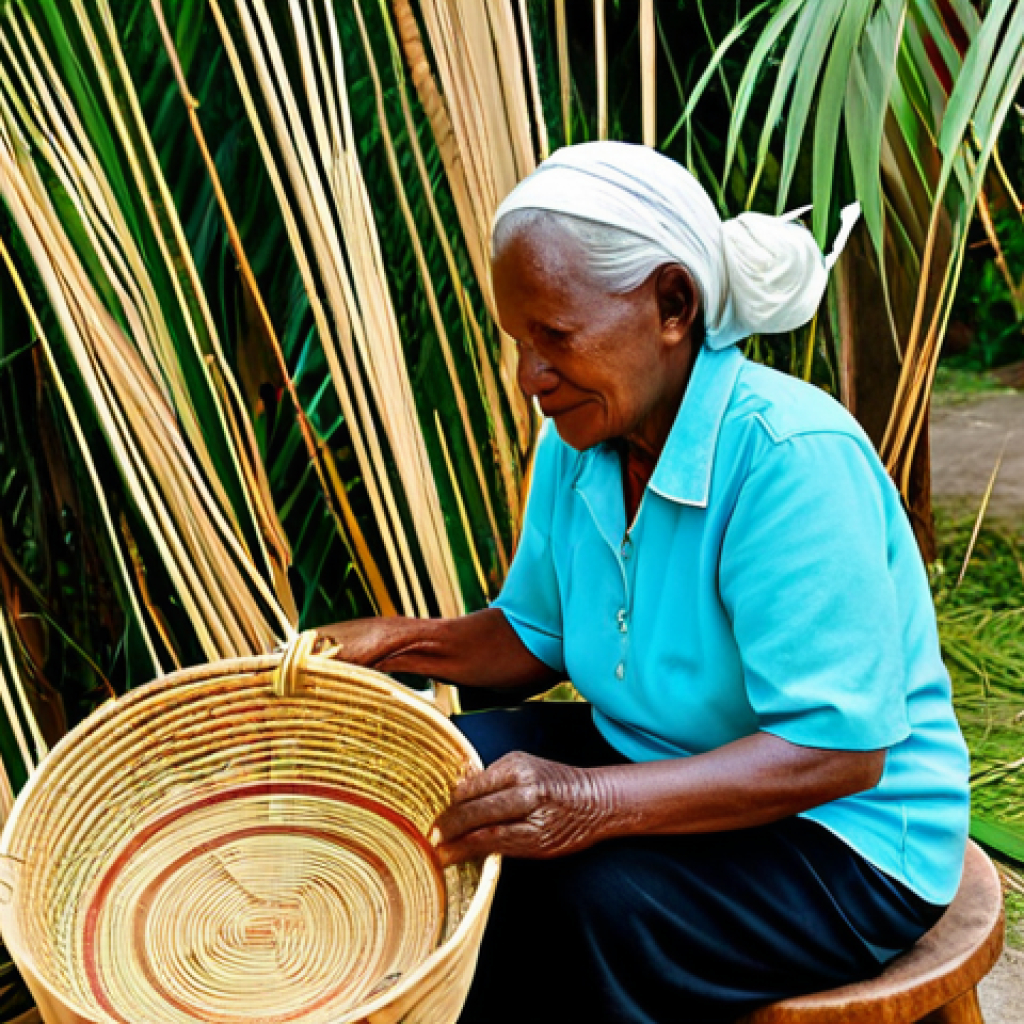
It wasn’t just a simple basket; it was a testament to generations of skill, patience, and an intimate knowledge of the local environment. Artisans here predominantly use natural materials like dried palm fronds, sisal, and various grasses, transforming them through age-old techniques that have been passed down from grandmothers to granddaughters.
The process itself is fascinating: the gathering of the raw materials, often from specific local plants, the careful drying and preparation, and then the slow, meditative process of weaving.
Each piece tells a story, not just through its pattern but through the very hands that shaped it. I once watched an elderly woman, her fingers nimble despite their age, effortlessly plaiting strips of dried leaves into a robust market basket, her movements fluid and economical, a dance honed over decades.
It was an experience that truly solidified my appreciation for the human element in these crafts.
The Materials and Their Magic
The choice of material isn’t arbitrary; it’s deeply rooted in the island’s ecosystem and the specific properties each plant offers. Palm fronds, particularly from the Arecaceae family abundant across the islands, are meticulously harvested, dried, and then softened to become pliable. This process, often involving soaking and beating the fronds, is crucial for achieving the strength and flexibility required for weaving. I remember being told by a local artisan that the best fronds are often gathered at specific times of the year, depending on the moon cycle, a detail that perfectly illustrates the deep connection between the crafters and their natural surroundings. The colors you see in these woven goods often come from natural dyes derived from barks, leaves, and berries, giving them an earthy, authentic palette that feels entirely native to the Caribbean. This commitment to natural, sustainable resources is something that deeply resonates with me, showcasing a harmonious relationship with nature that many modern industries have forgotten.
From Utility to Art Form
While many woven items like market baskets, fishing traps, and hats began as purely utilitarian objects, their evolution into art forms is undeniable. The patterns, once simple and functional, have become increasingly elaborate, incorporating geometric designs, abstract motifs, and sometimes even storytelling elements. I’ve seen beautifully woven mats that depict scenes of local life, from fishing boats on the turquoise sea to vibrant market scenes. These pieces are not just decorative; they carry the weight of cultural narrative, serving as tangible links to the island’s history and traditions. The shift has also been driven by tourism, which has opened up new markets for artisans to showcase their creativity, pushing the boundaries of what can be achieved with these humble materials. It’s truly inspiring to see how these traditional skills adapt and flourish in a contemporary context.
Earthen Narratives: The Soulful Art of Antiguan Pottery
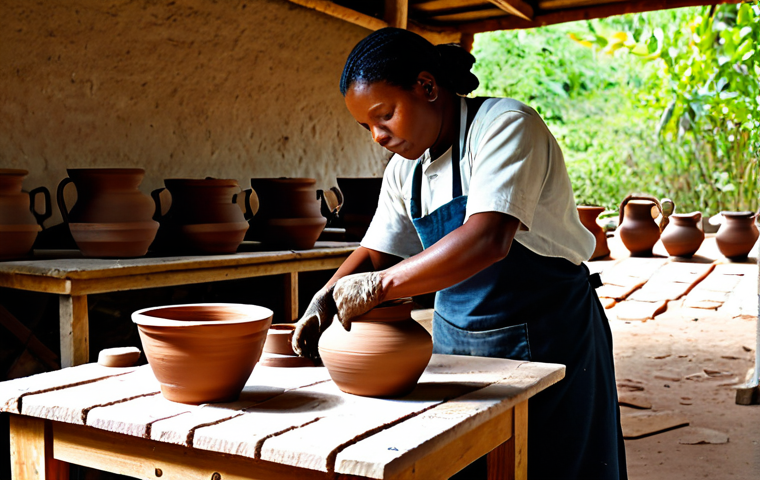
My journey into Antiguan pottery started with a simple, unglazed clay pot I bought years ago from a small roadside stall, and even now, its rough, honest texture evokes memories of the warm island sun.
The tradition of pottery in Antigua and Barbuda is ancient, dating back to the indigenous Arawak and Carib peoples, and it’s a craft that feels incredibly grounded, quite literally, in the earth of the islands.
Unlike mass-produced ceramics, each piece of Antiguan pottery carries the unique imprint of the artisan’s hands, a subtle unevenness, a distinctive brushstroke, or the natural imperfections of the locally sourced clay.
This is not about sterile perfection; it’s about authentic, soulful creation. When you hold a piece, you can almost feel the history embedded within it, the echoes of generations of potters working with the very same earth.
The local clay, often a rich reddish-brown, is harvested from specific deposits on the islands, then prepared meticulously – a process that involves cleaning, removing impurities, and sometimes mixing with temper agents like sand or crushed shell to enhance durability.
This careful preparation is critical, as it directly impacts the final product’s strength and texture.
The Firing Process: A Dance with Fire
The transformation of soft clay into durable pottery is nothing short of magical, and the traditional firing techniques used by Antiguan potters are particularly fascinating. Many artisans still employ outdoor firing methods, using open pits or simple kilns fueled by wood and coconut husks. I remember watching a demonstration where pieces were placed in an open pit, covered with fuel, and then set alight. The intensity of the heat, the smoke billowing against the blue sky, and the anticipation of seeing the finished products emerge were captivating. This method, while seemingly primitive, imparts a unique character to the pottery, often resulting in varying shades of brown, black, and reddish hues due to the uneven oxidation and reduction processes. It creates beautiful, rustic finishes that machines simply cannot replicate. This hands-on, traditional firing really makes you appreciate the raw effort and skill involved in each and every piece.
Functional Beauty in Everyday Life
Antiguan pottery is not just for display; it has always been deeply integrated into daily life. Traditional pieces include practical items like water jugs (often called ‘monkeys’ due to their shape), cooking pots, and storage containers. I’ve seen these jugs keeping water refreshingly cool even on the hottest days, a testament to the porous nature of the local clay. The beauty lies in their functionality, and how they seamlessly blend into the rhythm of island living. While modern kitchenware is readily available, many locals and visitors alike seek out these traditional pieces for their charm, durability, and the connection they offer to the island’s heritage. Owning one feels like you’re not just acquiring an object, but a small piece of Antiguan history and a practical tool that has served its people for centuries. It’s a reminder that beauty often lies in utility.
From Timber to Treasure: Woodcarving’s Enduring Legacy
The rich, earthy scent of carved wood is something that always transports me back to the workshops I’ve visited in Antigua, where artisans transform raw timber into breathtaking sculptures and functional art.
Woodcarving here is a profound tradition, often focused on showcasing the inherent beauty of local hardwoods. I recall a particularly striking piece – a large, intricately carved fish – that seemed to leap with life, its scales painstakingly rendered from a single block of mahogany.
The precision, the attention to detail, and the sheer patience required for such a creation are truly awe-inspiring. Artisans often work with woods like mahogany, cedar, and logwood, each offering distinct grain patterns, colors, and densities that influence the final piece.
The carvers here are not just skilled craftsmen; they are storytellers, their tools translating their connection to nature, folklore, and everyday life into tangible forms.
It’s a craft that demands not just physical strength but also a deep artistic vision, where the artisan sees the finished piece hidden within the raw block of wood.
The Artisan’s Touch: Tools and Techniques
The tools of an Antiguan woodcarver are often as traditional as the craft itself: chisels, gouges, mallets, and knives, many of which are handcrafted or adapted to suit specific needs. I’ve observed carvers meticulously shaping their pieces, sometimes spending weeks or even months on a single, complex sculpture. The process often begins with roughing out the general form, followed by progressively finer detailing. Sanding and polishing are critical final steps, bringing out the natural luster and intricate grain of the wood. The skill lies not just in carving away the wood, but in understanding its character – how it splits, how it responds to different pressures, and how to best highlight its natural beauty. There’s a particular warmth and tactile quality to hand-carved wood that you simply don’t find in machine-made items; it’s the direct result of human effort and connection to the material. I vividly remember feeling the smooth, polished surface of a hand-carved bird, sensing the countless hours that had gone into making it feel so alive.
Reflecting Culture and Nature in Carved Forms
The subjects of Antiguan woodcarvings are often deeply reflective of the island’s culture, history, and natural environment. You’ll find a prevalence of marine life – fish, turtles, and even mermaids – celebrating the abundant surrounding ocean. Figures from local folklore, historical scenes, and representations of everyday island life are also common, transforming pieces of wood into narratives that speak volumes about the Antiguan spirit. These carvings are not just souvenirs; they are cultural artifacts, preserving stories and beliefs in a durable, tangible form. The way an artisan can capture the subtle curve of a wave or the proud stance of a fisherman in a piece of wood is truly remarkable. It’s an art form that continually reminds me of the profound connection between the people of Antigua and their vibrant, natural world, a connection that manifests in every graceful line and powerful form.
Beyond the Craft: The Artisans’ Heartbeat and Livelihoods
For me, understanding the economic and social impact of these traditional crafts is just as important as appreciating their artistic merit. These aren’t just hobbies; for many, they are the very backbone of their livelihoods, sustaining families and entire communities.
I’ve had the privilege of meeting artisans whose entire family history is intertwined with a specific craft, their skills passed down through generations, each teaching the next not just the techniques but also the deep respect for the materials and the cultural significance of what they create.
It’s truly moving to see how a simple straw basket or a piece of pottery can represent so much more than its commercial value – it embodies resilience, heritage, and the dignity of skilled labor.
Supporting these local artisans directly contributes to their economic well-being, helping to preserve a vital part of the Antiguan and Barbudan identity.
Empowering Communities Through Craft
The craft industry plays a crucial role in local economies, especially in rural areas where alternative employment opportunities might be scarce. Many artisans operate small home-based businesses, selling their wares directly from their homes, roadside stalls, or through local markets. This decentralized model ensures that the economic benefits are widely distributed, reaching individuals and families rather than being concentrated in large corporations. I’ve personally seen the ripple effect: a successful sale allows an artisan to purchase more raw materials, invest in better tools, or even provide educational opportunities for their children. It creates a self-sustaining cycle of economic empowerment. Furthermore, the collaborative nature of some crafts, where families or small groups work together, fosters strong community bonds and collective knowledge sharing. It’s a beautiful example of how culture and commerce can intertwine for mutual benefit.
The Challenge of Modernity and Sustaining Skills
While the demand for authentic, handmade goods is growing, artisans face various challenges in a rapidly modernizing world. Competition from cheap, mass-produced imports, access to broader markets, and the difficulty in passing on traditional skills to younger generations are significant hurdles. I’ve spoken with artisans who express concerns about younger people being drawn to less labor-intensive, higher-paying jobs, fearing that their intricate skills might eventually fade away. This highlights the critical importance of initiatives that support craft education and market access. However, there’s also a strong sense of pride and determination. Many artisans are embracing new technologies, using social media to showcase their work and reach international customers, or collaborating with tourism initiatives to create workshops and interactive experiences. It’s a delicate balance of preserving tradition while adapting to contemporary realities, and from what I’ve observed, the artisans of Antigua and Barbuda are navigating this path with incredible ingenuity and passion.
Journey to Authenticity: Where to Discover Your Own Piece of Antigua
Finding that perfect, authentic piece of Antiguan craftsmanship is part of the adventure of visiting the islands. It’s not just about shopping; it’s about connecting with the creators, understanding their stories, and bringing home a tangible memory that speaks volumes about the island’s soul.
I always recommend seeking out local markets and independent artisan studios, as these are where you’ll find the most unique and genuine items, often directly from the hands that made them.
The vibrant energy of a local market, filled with the chatter of vendors and the kaleidoscope of handmade goods, is an experience in itself. You might even stumble upon a craftsman working on a new piece right there, offering a rare glimpse into their creative process.
Navigating the Craft Markets
The markets are undeniably the best starting point for any craft enthusiast. I’ve spent hours wandering through places like the St. John’s Public Market, where stalls brim with everything from intricate straw hats and hand-woven baskets to vibrant fabric prints and meticulously carved wooden figures. It’s a sensory feast! Don’t be afraid to engage with the vendors; they are often the artisans themselves, or direct family members, and they love to share the stories behind their creations. This direct interaction enhances the value of your purchase far beyond just the object itself. You’re buying into a story, a family’s legacy, and a piece of cultural heritage. It’s here that I discovered some of my most cherished items, each with a memory attached to the conversation I had with the person who made it.
Dedicated Studios and Galleries
Beyond the bustling markets, many artisans also operate small studios or have their work featured in dedicated galleries. These offer a more intimate setting, allowing for deeper conversations and a closer look at the crafting process. Places like Harmony Hall Art Gallery or small independent workshops scattered across the island often showcase higher-end, more intricate pieces, including fine art pottery, sophisticated carvings, and unique jewelry made from local materials. While they might be less numerous than market stalls, these studios provide an invaluable opportunity to witness craftsmanship at its peak and support artisans directly in a more focused environment. Sometimes, you can even arrange workshops or demonstrations, offering a hands-on experience that truly elevates your appreciation for the craft.
| Craft Type | Primary Materials | Common Items | Cultural Significance |
|---|---|---|---|
| Basketry & Weaving | Palm fronds, Sisal, Local Grasses | Market baskets, Hats, Mats, Decorative wall hangings | Generational skill, Utilitarian origins, Connection to nature |
| Pottery | Local clay (reddish-brown), Sand, Crushed shell | Water jugs (“Monkeys”), Cooking pots, Decorative bowls, Planters | Ancient indigenous art, Food preservation, Daily life essentials |
| Woodcarving | Mahogany, Cedar, Logwood, Lignum Vitae | Animal figures (fish, turtles), Folklore characters, Decorative panels, Utensils | Storytelling, Preservation of local myths, Artistic expression |
| Textile Art | Cotton, Batiks, Locally printed fabrics | Clothing, Sarongs, Home decor, Quilts | Vibrant expression, Modern interpretation of traditional motifs |
Sustaining the Legacy: Preserving Cultural Heritage in a Modern World
The enduring appeal of Antigua and Barbuda’s traditional crafts goes far beyond their aesthetic beauty; it lies in their role as living conduits of cultural heritage.
These crafts are not static relics of the past; they are dynamic expressions of identity, constantly evolving yet firmly rooted in tradition. However, like many traditional arts globally, they face the dual challenge of preserving authenticity while adapting to contemporary demands.
It’s a balance that requires foresight, dedication, and a deep appreciation from both the local community and international visitors. I firmly believe that by understanding the efforts being made to sustain these crafts, we can all contribute to their vibrant future.
Educational Initiatives and Workshops
One of the most powerful ways to preserve these crafts is through active education. I’ve seen promising initiatives in Antigua that aim to teach traditional skills to younger generations, ensuring that the intricate knowledge of weaving, pottery, and carving isn’t lost. These range from informal apprenticeships with master artisans to more structured programs in community centers. Workshops for tourists also play a vital role, not just as a source of income but as a means of raising awareness and fostering appreciation. Imagine sitting down with a local potter, feeling the clay in your hands as they guide you through the process – it’s an immersive experience that builds a profound respect for the craft and its practitioners. It’s through these direct, hands-on interactions that the true value of these traditions truly sinks in for visitors.
The Role of Sustainable Tourism and Fair Trade
Sustainable tourism is absolutely critical for the long-term viability of Antiguan crafts. When visitors consciously choose to purchase authentic, locally made products directly from artisans, they are contributing to a circular economy that benefits the community. This goes beyond just buying a souvenir; it’s about supporting fair wages, ethical production practices, and the continuation of ancestral skills. Fair trade principles ensure that artisans receive a just price for their labor and materials, empowering them to continue their work with dignity and pride. I’ve personally made it a point to seek out establishments and individual artisans who are committed to these principles, knowing that my purchase is directly contributing to a sustainable future for their craft and their families. It creates a win-win situation where cultural authenticity thrives alongside economic prosperity.
The Global Tapestry: Antiguan Crafts on the International Stage
In an increasingly interconnected world, Antiguan and Barbudan traditional crafts are finding new avenues to reach global audiences, moving beyond local markets to international platforms.
This expansion is crucial not just for the economic growth of the artisans but also for showcasing the rich cultural heritage of the islands to a broader audience.
It’s truly exciting to see these unique pieces, born from generations of local wisdom, making their mark on the global design and art scene. I often find myself searching online marketplaces for Antiguan pieces, delighted to see the growing presence and appreciation for their unique aesthetic.
E-Commerce and Digital Reach
The digital age has opened up unprecedented opportunities for Antiguan artisans to bypass geographical limitations and connect directly with international buyers. Many craftspeople, or collectives representing them, now have online stores or presence on global e-commerce platforms. This allows them to tell their stories, showcase their intricate work through high-quality photography, and ship their creations worldwide. I’ve personally seen how a beautifully crafted piece, perhaps a unique carved wooden fish or a hand-painted ceramic bowl, can resonate with someone halfway across the globe who appreciates authentic, handmade art. This digital transformation is not just about sales; it’s about cultural exchange, allowing people everywhere to discover and appreciate the artistic talent and heritage embedded in Antiguan crafts, even if they can’t visit the islands in person. It creates a bridge between island life and the global community.
Collaborations and Cultural Diplomacy
Antiguan crafts are also increasingly featured in international exhibitions, cultural festivals, and collaborations with designers. This kind of exposure elevates their status from simple souvenirs to recognized works of art and design. These collaborations often infuse traditional techniques with contemporary aesthetics, creating innovative pieces that appeal to a wider, more diverse market while still honoring their roots. I’ve read about designers incorporating traditional Antiguan weaving patterns into modern fashion or interior design elements, creating a beautiful fusion of old and new. This cultural diplomacy, where art transcends borders, strengthens the appreciation for the islands’ heritage and positions Antiguan artisans as significant contributors to the global creative landscape. It’s a testament to the universal appeal of human creativity and the enduring power of skilled hands to tell unique stories.
Conclusion
As I reflect on the incredible artistry and deep-rooted traditions of Antigua and Barbuda’s crafts, I’m constantly reminded that these aren’t just objects; they are living narratives, each one a testament to the island’s spirit and its people’s enduring creativity.
From the subtle textures of a woven basket to the earthy embrace of a clay pot, and the intricate stories carved from wood, every piece carries a piece of Antiguan soul.
My hope is that by seeking out and cherishing these handmade treasures, you too will feel that profound connection, contributing to a legacy that deserves to thrive for generations to come.
It’s an invitation to experience the island’s authentic heartbeat, one beautiful craft at a time.
Good to Know
1. When exploring local markets, it’s customary to engage in friendly conversation with the artisans. While bargaining isn’t always expected, a respectful approach can sometimes lead to a small discount, especially if purchasing multiple items. Always ask about the story behind the piece!
2. Many smaller stalls and independent artisans might prefer cash (Eastern Caribbean Dollars or US Dollars, often accepted interchangeably). Larger galleries or shops will typically accept credit cards, but carrying some local currency is always a good idea for convenience.
3. If you fall in love with a larger piece of pottery or a significant wood carving, inquire about shipping options. Some artisans or galleries offer international shipping services, making it easy to get your cherished souvenir home safely.
4. Look out for workshops or demonstrations offered by local artisans. Many enjoy sharing their craft, and a hands-on experience, whether it’s trying your hand at weaving or molding clay, will give you an even deeper appreciation for their skills.
5. To ensure you’re buying authentic, locally made products, prioritize purchases directly from artisans in markets, their home studios, or reputable local galleries. Be mindful of items that appear mass-produced or lack the unique imperfections that often characterize handmade crafts.
Key Takeaways
Antigua and Barbuda’s traditional crafts – encompassing weaving, pottery, and woodcarving – are profound expressions of the islands’ rich cultural heritage, passed down through generations.
These crafts are not merely decorative but are deeply integrated into daily life, reflecting the intimate connection between the artisans and their natural environment.
Supporting local craftspeople directly contributes to their livelihoods and empowers communities, helping to preserve vital ancestral skills in the face of modernization.
By seeking out authentic, handmade pieces, visitors can experience the island’s soul and contribute to the sustainable future of these beautiful traditions.
Frequently Asked Questions (FAQ) 📖
Q: Beyond the postcard-perfect beaches, how do traditional crafts truly embody the spirit and heritage of
A: ntigua and Barbuda? A1: Oh, it’s a completely different vibe, isn’t it? When you pick up a piece of Antiguan or Barbudan craft, it’s not just a pretty trinket for your shelf.
It’s got a soul, seriously. I remember feeling that warmth radiating from a little pottery piece I bought at a local market – you could practically feel the artisan’s hands in it, the years of skill passed down.
These aren’t mass-produced; they’re stories. Each straw basket woven, each piece of wood carved, it carries the whispers of generations, a tangible connection to their history and identity.
It’s about feeling a part of something much deeper than just a holiday.
Q: What specific traditional crafts should visitors look out for, and what makes them so unique?
A: You absolutely have to seek out the straw work – the baskets, hats, even decorative pieces. The intricate patterns, the natural materials, it’s just stunning.
And don’t even get me started on the pottery! I once watched an older gentleman in a small village, his hands moving with such quiet confidence as he shaped a bowl; it was mesmerizing.
You see the pride, the sheer dedication. Then there’s the wood carving, often depicting local flora, fauna, or historical scenes. What makes them unique isn’t just the skill, it’s the legacy.
These aren’t learned in a workshop for a week; they’re born from families, from communities, passed down like precious heirlooms. It’s truly handmade, and you feel that authenticity in every curve and weave.
Q: How are
A: ntiguan and Barbudan traditional crafts gaining international recognition and contributing to the local economy today? A3: It’s fantastic to see, actually.
These traditional arts aren’t just surviving; they’re experiencing a powerful resurgence. Thanks to things like sustainable tourism initiatives, people are actively seeking out authentic experiences, and what’s more authentic than a piece made by a local artisan?
I’ve seen more and more of their work popping up on online marketplaces too, which is just brilliant for reaching a global audience directly. It empowers these incredibly skilled individuals and families, giving them a wider platform and better income.
It’s not just about commerce; it’s about cultural preservation, ensuring these vital threads of identity don’t just endure, but thrive on the global stage, showing the world the true spirit of the Caribbean.
📚 References
Wikipedia Encyclopedia
구글 검색 결과
구글 검색 결과
구글 검색 결과
구글 검색 결과
구글 검색 결과