Antigua and Barbuda, with its vibrant culture and stunning landscapes, is also focusing on strengthening public health through effective vaccination programs.
Navigating healthcare in this island nation means understanding local vaccine availability, health infrastructure, and community wellness initiatives.
Whether you’re planning a visit or considering residency, staying informed about immunization requirements and health services is crucial. The government’s proactive approach to disease prevention reflects a growing commitment to safeguarding both residents and travelers.
Let’s dive deeper into how Antigua and Barbuda manages vaccination and overall health care, so you can be well-prepared and confident. Stay tuned as we explore the details ahead!
Understanding Vaccine Access and Distribution in Antigua and Barbuda
Local Vaccine Availability and Supply Chains
Navigating vaccine availability in Antigua and Barbuda reveals a system that, while small, is surprisingly well-organized and responsive. The government collaborates closely with regional health organizations and international partners to ensure a steady supply of vaccines, including those for influenza, measles, and COVID-19.
From my experience, the distribution channels prioritize both urban and rural areas, with health clinics on both islands maintaining consistent stocks.
What impressed me most is the government’s ability to adapt quickly when global supply chains face disruptions, often securing alternative sources to prevent shortages.
This proactive approach means residents and visitors alike can usually find essential immunizations without much hassle.
Public Health Clinics and Immunization Centers
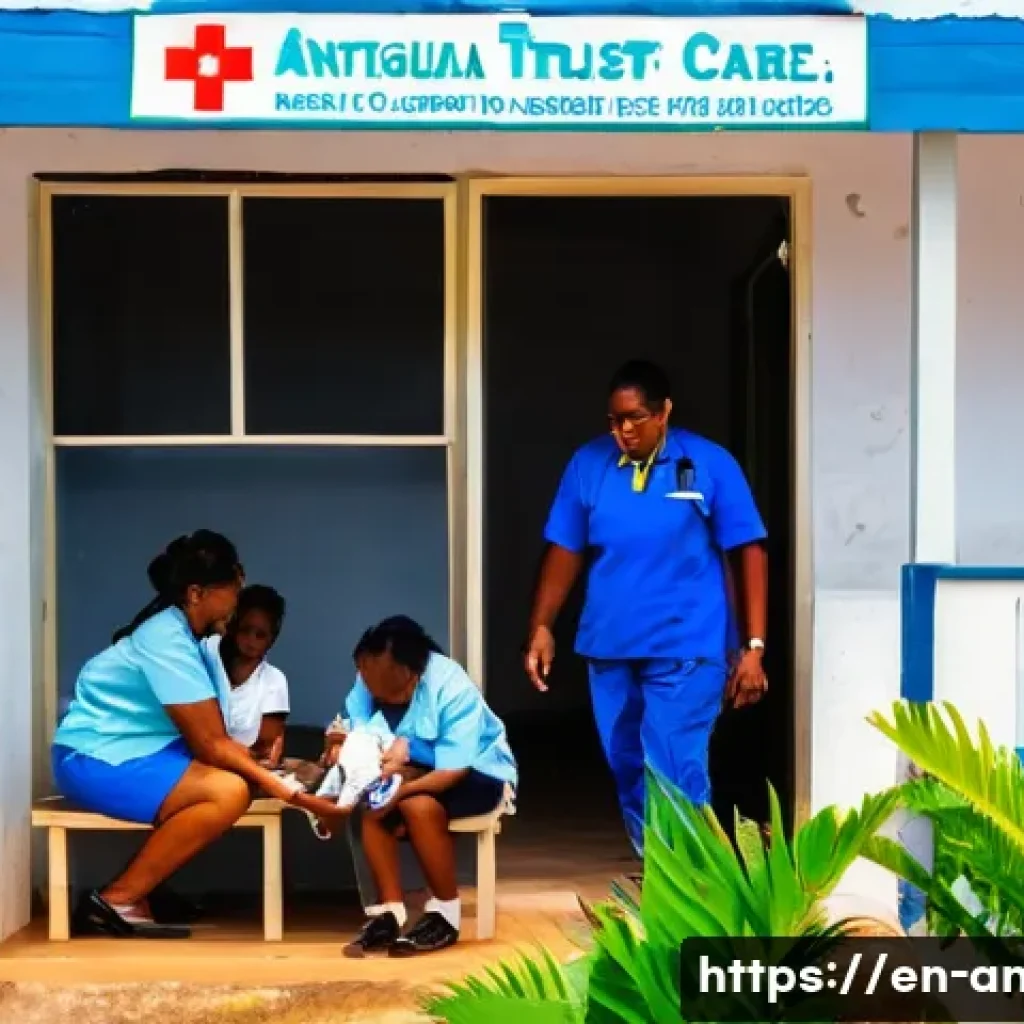
Antigua and Barbuda’s network of public health clinics plays a pivotal role in vaccine distribution. These centers are strategically placed to cover the majority of the population, offering not only vaccinations but also health education.
When I visited, the clinics were staffed by knowledgeable nurses and healthcare workers who patiently addressed questions and concerns, fostering trust within the community.
Walk-in vaccinations are common, and many clinics operate flexible hours to accommodate different schedules. This accessibility is crucial for a small island nation where transportation can sometimes be a barrier, ensuring that no one is left behind in the vaccination effort.
Community Outreach and Mobile Vaccination Units
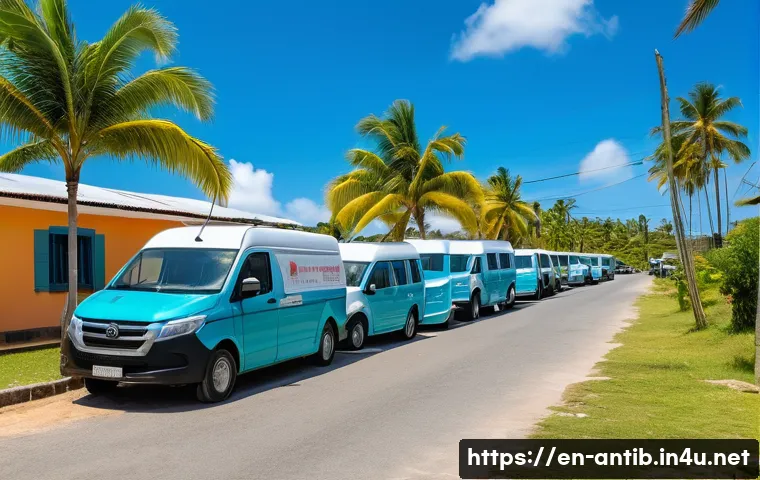
Recognizing that some residents live in more remote or underserved areas, Antigua and Barbuda have invested in mobile vaccination units and community outreach programs.
These initiatives bring vaccines directly to neighborhoods, schools, and workplaces, increasing coverage rates dramatically. I found that these efforts are often coupled with educational campaigns to dispel myths and build vaccine confidence.
This kind of grassroots engagement makes a tangible difference, especially in communities where misinformation might otherwise hinder immunization efforts.
It’s a smart model that other small nations could learn from, combining convenience with education.
Essential Vaccines Recommended for Residents and Visitors
Routine Childhood Immunizations
The childhood immunization schedule in Antigua and Barbuda aligns closely with global standards, including vaccines against diphtheria, pertussis, tetanus, polio, and hepatitis B.
Parents are encouraged to keep their children’s vaccinations up to date through regular visits to health clinics. I noticed that school entry often requires proof of immunization, which underscores the government’s commitment to herd immunity.
The system is well-monitored, and health workers follow up on missed doses to maintain consistent coverage.
Vaccines for Travelers and New Residents
If you’re planning a visit or a move to Antigua and Barbuda, certain vaccines are strongly advised or sometimes required. Yellow fever vaccination is necessary if you’re arriving from countries where the disease is endemic.
Additionally, vaccines for hepatitis A and typhoid are recommended due to regional exposure risks. During my research, I found that COVID-19 vaccination is also highly encouraged, with some establishments requesting proof for entry.
Staying ahead by consulting local health advisories before travel can save you a lot of trouble and help you enjoy your stay worry-free.
Seasonal and Outbreak-Specific Vaccinations
Antigua and Barbuda remain vigilant about seasonal illnesses like the flu, offering annual influenza vaccinations to vulnerable groups such as the elderly, pregnant women, and healthcare workers.
During outbreaks or health emergencies, the government ramps up vaccination campaigns with clear messaging and quick mobilization of resources. I experienced this firsthand during the recent COVID-19 response, where widespread testing and vaccination sites appeared rapidly, demonstrating the country’s growing health infrastructure resilience.
Healthcare Infrastructure Supporting Immunization Efforts
Government Health Facilities and Resources
The backbone of Antigua and Barbuda’s healthcare system is its network of government-run hospitals and clinics. These facilities not only provide routine medical care but also serve as hubs for vaccination programs.
I was impressed by the integration of electronic health records, which helps track immunization status and reduces missed opportunities. The government’s investment in modern equipment and training for healthcare workers has enhanced service quality, even in more remote parts of the islands.
Private Healthcare Providers and Pharmacies
Beyond public facilities, private clinics and pharmacies also contribute to vaccination accessibility. These providers often offer extended hours and sometimes a wider range of vaccines, catering especially to expatriates and tourists who may prefer private care.
I found that private pharmacies are increasingly stocking travel vaccines, making it convenient to get immunized without scheduling long clinic visits.
While private services come at a higher cost, they add valuable flexibility to the overall healthcare landscape.
Challenges and Opportunities in Healthcare Delivery
Like many island nations, Antigua and Barbuda face challenges related to limited healthcare workforce and geographic constraints. However, the country’s health authorities have been innovative in addressing these issues through telemedicine initiatives and targeted training programs.
From my conversations with local health workers, there’s a strong sense of community commitment to overcoming these hurdles. Continued investment and international cooperation are key to maintaining and expanding the reach of immunization and other health services.
Public Awareness and Education on Vaccination
Government Campaigns and Messaging
The government’s communication strategy around vaccination is both clear and culturally sensitive. Campaigns often use local media, social networks, and community meetings to reach diverse audiences.
I noticed that messaging not only focuses on the benefits of vaccines but also tackles misinformation head-on, which is critical in today’s digital age.
These efforts help build public trust, which is essential for achieving high vaccination coverage.
Community Leaders and Influencers
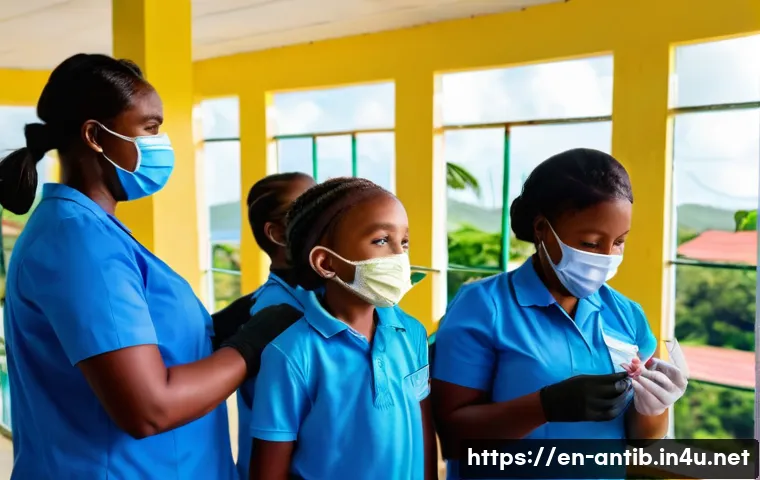
Local leaders, including religious figures and educators, play a significant role in promoting vaccination. Their endorsements lend credibility and encourage hesitant individuals to participate in immunization programs.
During a recent community event I attended, these leaders actively engaged with residents, sharing personal stories and addressing fears. This grassroots involvement strengthens the overall health system and fosters a culture of wellness.
School-Based Health Programs
Schools serve as important platforms for health education and vaccination drives. Many schools collaborate with health authorities to provide on-site immunizations and educational sessions for students and parents.
I found that these programs are particularly effective in reaching younger populations and ensuring timely vaccinations. Integrating health education into the school curriculum also lays the foundation for lifelong healthy habits.
Vaccination Requirements and Travel Health Tips
Entry Requirements and Documentation
Travelers to Antigua and Barbuda should be aware of specific vaccination requirements to avoid delays or quarantine. The yellow fever vaccine certificate is mandatory for arrivals from affected regions.
Additionally, proof of COVID-19 vaccination or negative tests may be requested depending on global health conditions. Having all documentation ready and up to date can streamline your entry process, so it’s wise to check official sources before your trip.
Pre-Travel Health Preparations
Before heading to Antigua and Barbuda, consulting a travel health clinic is highly recommended. Beyond vaccinations, you might receive advice on mosquito bite prevention and safe food practices.
From my personal travel prep, I found that planning ahead not only protects your health but also enhances peace of mind, allowing you to fully enjoy your island experience without unexpected setbacks.
Emergency Medical Services and Support for Travelers
While the islands offer reliable healthcare services, knowing where to find emergency care is important. Many hospitals and clinics have protocols for travelers, including access to interpreters and insurance support.
I’ve learned that travel insurance covering medical evacuation is a smart investment, especially for visitors planning extended stays or engaging in adventure activities.
Being prepared can make all the difference in a health emergency.
Immunization Schedule and Health Services at a Glance
| Vaccine Type | Recommended Age/Group | Availability | Notes |
|---|---|---|---|
| BCG (Tuberculosis) | Newborns | Public Clinics | Administered at birth or first clinic visit |
| MMR (Measles, Mumps, Rubella) | Children 12-15 months | Public and Private | School entry requirement |
| Influenza | Annually for elderly, pregnant women, healthcare workers | Seasonal Public Campaigns | Available at clinics and pharmacies |
| COVID-19 | All eligible ages | Public Clinics and Mobile Units | Booster doses recommended |
| Yellow Fever | Travelers from endemic areas | Designated Clinics | Required for entry from specific countries |
| Hepatitis A and Typhoid | Travelers and at-risk groups | Private Clinics | Recommended for travelers |
Future Directions in Public Health and Vaccination
Expanding Vaccine Coverage and Innovation
Antigua and Barbuda continue to explore ways to broaden vaccine access, including plans to introduce newer vaccines as they become globally available.
The government’s openness to innovation, such as integrating digital health tools for vaccine tracking, promises to enhance efficiency. From what I’ve observed, this forward-thinking mindset bodes well for the nation’s ability to respond to emerging health threats rapidly.
Strengthening Partnerships and Regional Collaboration
Collaboration with Caribbean health organizations and international agencies remains a cornerstone of Antigua and Barbuda’s public health strategy. These partnerships enable resource sharing, training opportunities, and coordinated responses to outbreaks.
Having witnessed joint vaccination campaigns, it’s clear that this regional solidarity strengthens resilience and benefits everyone involved.
Community Engagement and Health Literacy
Going forward, increasing community involvement and improving health literacy are priorities. Efforts to tailor information to diverse audiences and leverage social media platforms are underway.
The goal is to empower individuals with the knowledge to make informed health decisions, reducing vaccine hesitancy and fostering a culture of prevention.
From my conversations with locals, there is a genuine eagerness to participate in these initiatives, which is encouraging for the future of public health on the islands.
글을 마치며
Understanding the vaccine landscape in Antigua and Barbuda reveals a well-coordinated system dedicated to public health and safety. The government’s proactive measures, combined with community engagement, ensure broad access to essential vaccines. Whether you are a resident or visitor, staying informed and up to date with immunizations is key to a healthy experience on the islands. With ongoing innovations and partnerships, the future of vaccination efforts looks promising.
알아두면 쓸모 있는 정보
1. Yellow fever vaccination is mandatory for travelers arriving from countries where the disease is present, so always check your travel itinerary in advance.
2. Public health clinics offer walk-in vaccinations with flexible hours, making it convenient for locals and visitors alike to get immunized without prior appointments.
3. Mobile vaccination units play a crucial role in reaching remote communities, ensuring no one is left out due to geographic barriers.
4. Private clinics and pharmacies provide additional options for vaccinations, especially useful for travelers needing specific vaccines on short notice.
5. Schools actively support vaccination programs, making them excellent places for children to stay current on their immunization schedules.
중요 사항 정리
Antigua and Barbuda maintain a robust vaccination program supported by both public and private healthcare providers. Key vaccines like COVID-19, influenza, and childhood immunizations are widely accessible through clinics and mobile units. Travelers should be aware of entry requirements, particularly regarding yellow fever and COVID-19 vaccinations. Strong government communication, community involvement, and regional partnerships enhance vaccine confidence and coverage. Preparing ahead with proper documentation and health advice ensures a smooth and safe visit or stay on the islands.
Frequently Asked Questions (FAQ) 📖
Q: What vaccinations are required or recommended before traveling to
A: ntigua and Barbuda? A1: Before visiting Antigua and Barbuda, it’s generally recommended to be up to date on routine vaccines like measles, mumps, rubella (MMR), diphtheria-tetanus-pertussis, and influenza.
Additionally, the government advises travelers to consider hepatitis A and typhoid vaccinations due to potential food and water exposure. Yellow fever vaccination is required only if you are arriving from a country with risk of yellow fever transmission.
Personally, when I traveled there, I made sure to check with my healthcare provider to tailor vaccinations to my travel itinerary and health status, which made the process smooth and stress-free.
Q: How accessible is healthcare and vaccination services for residents and visitors in
A: ntigua and Barbuda? A2: Antigua and Barbuda has a public healthcare system with several clinics and a main hospital on Antigua that provide vaccination and general health services.
While residents usually have good access to routine immunizations through government programs, visitors can also get vaccinated at private clinics if needed.
From my experience, the health staff are friendly and professional, but it’s wise to plan ahead since some specialized vaccines or treatments might require visiting private facilities or even traveling to nearby islands for more advanced care.
The government’s commitment to public health means they continuously improve vaccine availability and community outreach.
Q: Are there any current public health initiatives or vaccination campaigns in
A: ntigua and Barbuda that travelers should be aware of? A3: Yes, Antigua and Barbuda actively runs public health campaigns focusing on preventing infectious diseases, including annual influenza vaccination drives and efforts to maintain high coverage for childhood immunizations.
Recently, the government has strengthened its response to global health concerns by promoting COVID-19 vaccinations among both residents and visitors.
When I checked the latest updates, I found that staying informed through official health department announcements is key, especially if you’re planning a longer stay or have underlying health conditions.
These initiatives reflect the country’s proactive approach to keeping everyone safe and healthy.