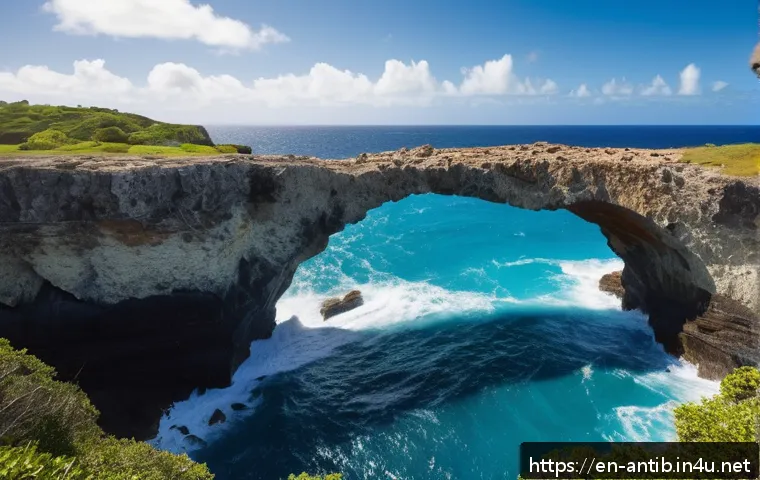
If you’ve been craving a Caribbean escape that goes beyond the usual sun and sand, the mystical Devils Bridge in Antigua and Barbuda offers a captivating detour into natural wonder and local legend.
As more travelers seek authentic and off-the-beaten-path experiences, this hidden marvel is gaining attention for its dramatic coastal views and intriguing history.
I recently explored this spot and was amazed by how nature’s raw power carved such a stunning formation, rich with folklore. Whether you’re an adventure seeker or a culture enthusiast, Devils Bridge invites you to discover a side of the Caribbean few have truly uncovered.
Stick around as we dive into what makes this natural bridge a must-see gem on your next island journey.
Exploring the Geological Marvels of the Natural Arch
How the Ocean Shapes the Landscape
The natural arch stands as a breathtaking testament to the relentless force of the Atlantic Ocean. Over thousands of years, the pounding waves have carved away at the coral limestone cliffs, sculpting this unique bridge-like formation.
What struck me most during my visit was witnessing how the sea continues to shape the rock every day. The salty spray and swirling tides don’t just create a pretty picture—they’re active artists, relentlessly eroding the stone to create new cracks and textures.
Standing close to the edge, you can feel the ocean’s raw power, making the whole experience both humbling and exhilarating.
Uncovering the Layers of Coral and Rock
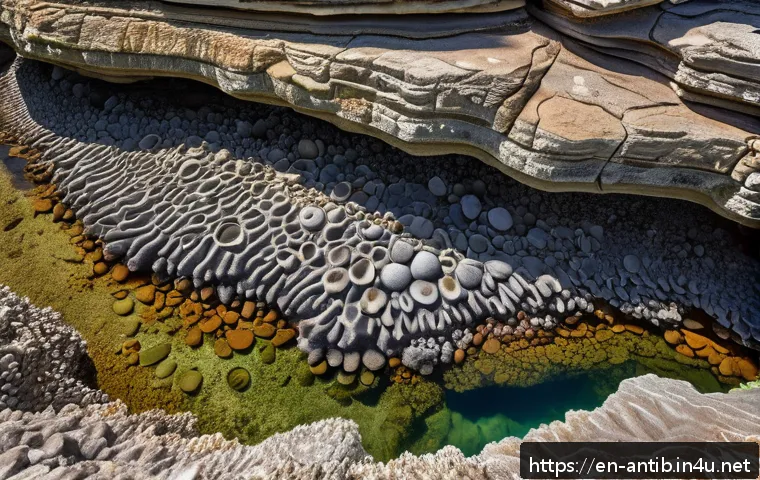
A closer look reveals fascinating layers within the rock itself. The coral limestone is not just a solid mass but a composite of ancient marine life compressed over millennia.
I spent some time examining the small fossils and patterns embedded within the stone, which tell a story of Antigua’s rich marine history long before human footsteps.
This geological layering provides a unique window into the island’s natural past, showing how the environment has evolved and how the interplay between sea and land has created this spectacular natural bridge.
Why This Spot Is a Photographer’s Dream
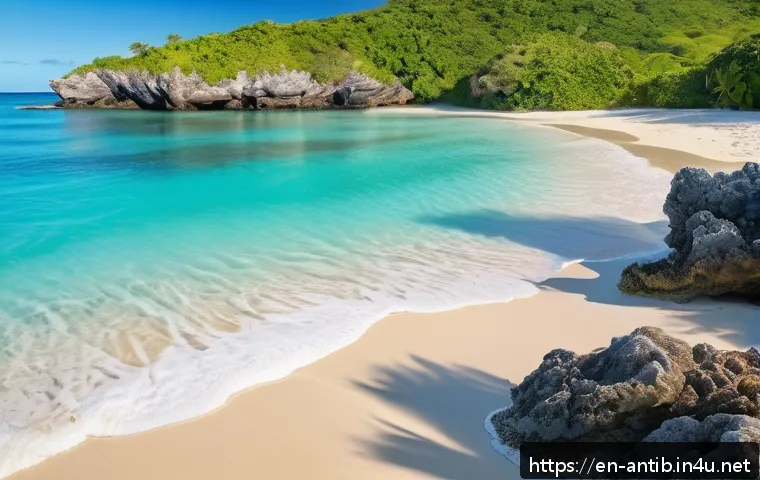
From a visual standpoint, the contrast of the stark white limestone against the deep blue ocean is nothing short of stunning. The way the sunlight filters through the natural arch during different times of the day creates a dynamic range of shadows and colors.
I found the early morning light particularly magical, casting a soft glow that enhanced the textures and details of the rock. For photographers, this site offers endless creative opportunities, whether you’re capturing the dramatic waves crashing beneath the bridge or the intricate patterns carved into the stone.
Delving Into Local Folklore and Cultural Significance
The Legends That Give the Bridge Its Name
What adds an extra layer of fascination to this natural wonder is the rich folklore surrounding it. Locals have long told stories of the “Devils Bridge,” a name tied to tales of spirits and supernatural forces believed to inhabit the area.
According to the legends, the bridge was a gateway where the devil himself would appear, tempting or testing those brave enough to approach. While these stories may sound spooky, they actually reflect the deep respect and mystique the islanders have for nature’s powerful forces.
Hearing these tales firsthand from local guides gave me a sense of connection to the island’s cultural roots.
How the Bridge Fits Into Antigua’s Heritage
Beyond the ghost stories, the bridge is part of Antigua’s broader cultural landscape. It symbolizes resilience and the island’s enduring relationship with the sea, which has shaped both its environment and its people.
The site is often included in local tours that emphasize the importance of natural landmarks in Antigua’s identity, blending ecological education with storytelling.
Experiencing this blend of culture and nature firsthand made me appreciate how places like this serve as living monuments, preserving both natural beauty and community memory.
Community Efforts to Protect the Site
I was encouraged to learn that local organizations actively work to preserve this fragile formation. The ongoing conservation efforts include educating visitors about responsible tourism and limiting access during rough sea conditions to prevent damage.
This balance between accessibility and protection ensures that future generations can also enjoy the bridge’s majesty. During my visit, I noticed informative signs and respectful visitor behavior, which speaks volumes about how the community values this natural treasure.
Planning Your Visit: Tips and What to Expect
Best Times to Visit for Safety and Scenery
Timing your visit is key to making the most of Devils Bridge. From my experience, the calmest and safest conditions usually occur in the early morning or late afternoon when the tides are lower and the crowds are thin.
Avoiding the midday heat also makes the walk more pleasant. I recommend checking local tide charts and weather forecasts before heading out, as the bridge’s proximity to the ocean means rough seas can make the area dangerous.
Visiting during the dry season, from December to May, generally offers the best weather and clearer skies.
What to Bring and Wear
Comfortable, sturdy footwear is a must since the terrain around the bridge is uneven and slippery in spots. I found water shoes especially handy for navigating the rocky shoreline.
Sun protection is essential too—bring sunscreen, a hat, and plenty of water, as shade is scarce. Don’t forget your camera or smartphone; this spot is a prime location for capturing memorable shots.
If you’re planning a longer hike or visit, packing some light snacks is a good idea since there are no facilities nearby.
Accessibility and Nearby Attractions
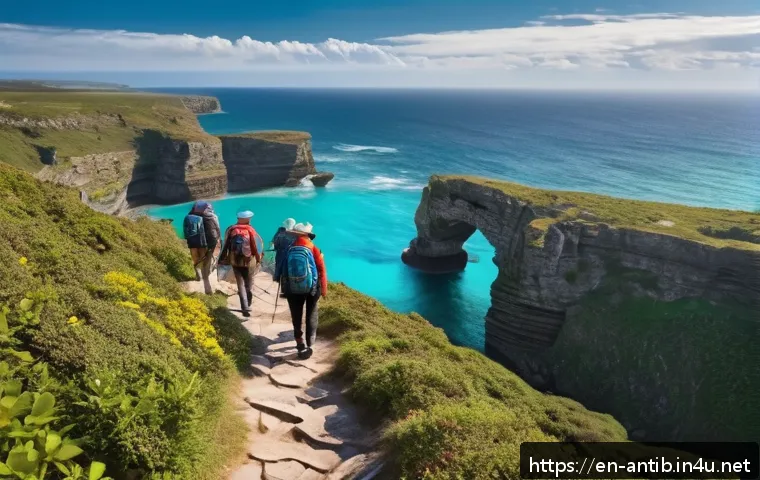
While the natural bridge itself requires a bit of a walk over rocky paths, it’s relatively accessible for most visitors with moderate fitness. However, those with mobility challenges may find the terrain difficult to navigate.
The good news is that the surrounding area offers other scenic spots worth exploring, such as nearby beaches and viewpoints overlooking the coast. Combining a trip to the bridge with stops at these locations makes for a full day of discovery and adventure.
Experiencing the Raw Energy of the Atlantic Coastline
The Thrill of the Waves Crashing Beneath
One of the most unforgettable sensations at the bridge is feeling the thunderous waves slam against the rocks below. I remember standing on the edge, heart pounding, as water surged and sprayed skyward, reminding me just how untamed this stretch of coastline is.
It’s a powerful reminder of nature’s unpredictability and strength. For thrill-seekers, the sound and motion of the ocean here provide a rush like no other.
Marine Life and Tide Pools to Discover
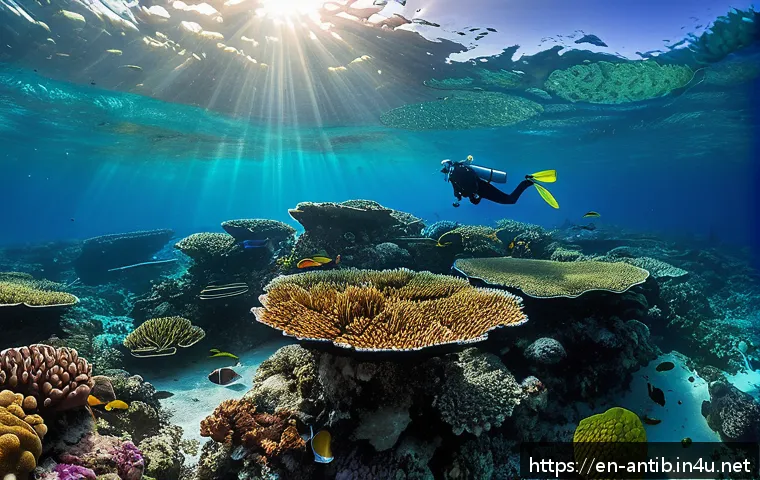
Besides the dramatic waves, the tide pools around the bridge offer a quieter, more intimate experience with nature. I spent time peering into these small pools, spotting colorful sea anemones, tiny crabs, and starfish clinging to the rocks.
These microhabitats are teeming with life and show how the ocean supports diverse ecosystems even in seemingly harsh conditions. Exploring these pools is a great activity for families or anyone interested in marine biology.
Connecting With the Environment Through Mindfulness
The natural setting encourages a moment of pause and reflection. When I visited, I took a few minutes to just sit and listen—to the crashing waves, the wind, and the distant calls of seabirds.
This mindfulness brought a deep sense of peace and connection to the environment that often gets lost in busy tourist spots. It’s a reminder that sometimes the best way to enjoy nature is simply by being present and soaking it all in.
Essential Facts and Visitor Information at a Glance
| Feature | Details |
|---|---|
| Location | East Coast of Antigua, near Willikies |
| Access | Short hike over rocky terrain, moderate difficulty |
| Best Visiting Season | Dry season (December to May) |
| Safety Tips | Check tides/weather, wear sturdy shoes, avoid rough seas |
| Nearby Attractions | Nearby beaches, coastal viewpoints, local villages |
| Local Culture | Rich folklore, community preservation efforts |
| Facilities | No on-site amenities; bring water and snacks |
Integrating Adventure and Learning on Your Island Tour
Guided Tours Versus Independent Exploration
Choosing between a guided tour or going solo depends on your travel style. When I joined a guided group, I appreciated the in-depth stories and safety tips offered by the local guides.
They provided historical context and pointed out details I might have missed on my own. However, exploring independently allowed me to set my own pace and linger longer in quiet spots.
Both approaches have their merits, and I’d recommend mixing them depending on your itinerary.
Combining Devils Bridge With Other Island Highlights
To get the most out of your Antigua trip, I suggest pairing the bridge visit with stops at nearby cultural sites and natural parks. For example, the nearby Betty’s Hope plantation ruins offer a glimpse into the island’s colonial history, while the surrounding beaches provide a perfect way to unwind after the hike.
This kind of mix keeps your day dynamic and well-rounded, blending nature, history, and relaxation.
Tips for Responsible and Respectful Tourism
One thing I learned quickly is the importance of respecting the environment and local customs. Staying on marked paths, not disturbing wildlife, and disposing of trash properly are basic yet crucial ways to help preserve this delicate ecosystem.
Engaging with local communities respectfully—whether by buying handmade crafts or listening to their stories—also enriches the experience. Travelers who come with this mindset leave a positive impact and often find their visit more rewarding.
In Conclusion
Visiting the natural arch offers a rare chance to witness the powerful forces of nature in action while connecting with rich local culture. The blend of geological wonders, folklore, and community care creates an unforgettable experience. Whether you’re drawn by adventure, photography, or history, this remarkable site leaves a lasting impression. I encourage every traveler to approach it with curiosity and respect to fully appreciate its beauty and significance.
Helpful Information to Keep in Mind
1. The best time to visit is during the dry season from December to May, avoiding rough seas and high tides for safety.
2. Wear sturdy, comfortable footwear and bring sun protection and plenty of water due to limited shade and uneven terrain.
3. Guided tours offer valuable insights and safety guidance, but independent exploration allows for a more flexible and personal experience.
4. Respect local customs and environmental guidelines by staying on paths, not disturbing wildlife, and disposing of trash properly.
5. Combining the natural arch visit with nearby cultural and scenic spots enriches your overall Antigua adventure.
Key Takeaways
Understanding the geological formation and cultural stories behind the natural arch enhances your visit and fosters appreciation for Antigua’s heritage. Prioritizing safety by checking weather and tide conditions is essential due to the dynamic ocean environment. Supporting community-led preservation efforts helps maintain this fragile site for future visitors. Lastly, practicing responsible tourism not only protects the environment but also deepens your connection with the island and its people.
Frequently Asked Questions (FAQ) 📖
Q: uestionsQ1: What is the best time to visit Devils Bridge in
A: ntigua and Barbuda? A1: From my experience, visiting Devils Bridge during the dry season, which runs from December to April, offers the best conditions.
The weather tends to be sunny and less humid, making it easier and safer to explore the natural rock formation and surrounding trails. Early mornings or late afternoons are ideal for avoiding crowds and catching stunning coastal views with soft, golden light perfect for photos.
Q: Is it safe to swim near Devils Bridge?
A: I personally advise caution when it comes to swimming around Devils Bridge. The area is known for powerful waves and strong currents caused by the Atlantic Ocean’s force pushing through the natural arch.
Many locals and guides recommend admiring the site from the designated viewing areas rather than swimming, as conditions can change rapidly, making it risky for inexperienced swimmers.
Q: Are there any local legends or cultural stories associated with Devils Bridge?
A: Absolutely! One of the things that fascinated me the most was learning about the rich folklore tied to Devils Bridge. Locals often tell tales that the bridge was formed by the devil himself, creating a passage to test the bravery of those who dared to cross.
These stories add an intriguing cultural layer to the natural beauty, making your visit not just scenic but also steeped in the island’s history and imagination.