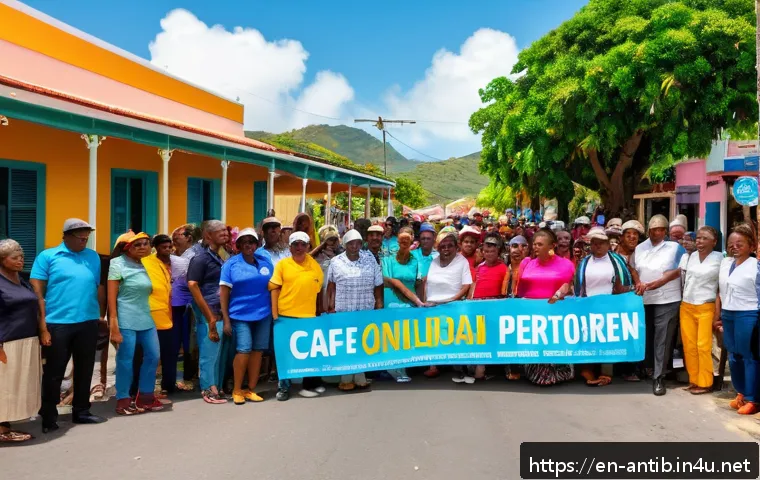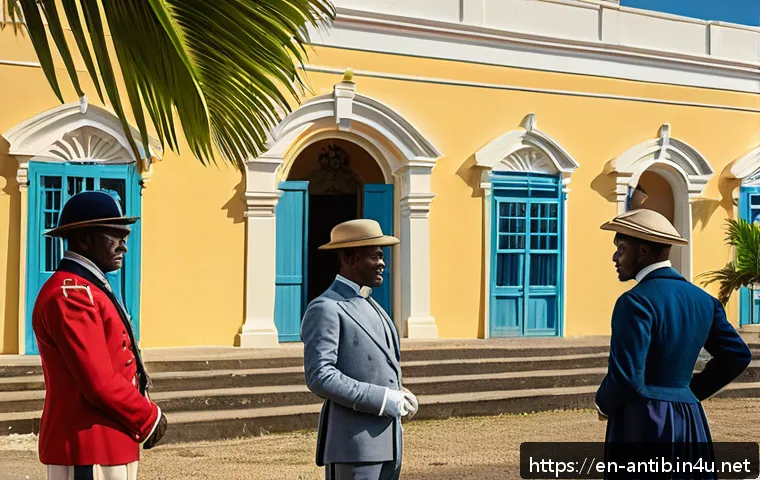
As the world continues to reflect on the powerful stories of nations breaking free from colonial rule, Antigua and Barbuda’s journey to independence stands out as a remarkable example of resilience and determination.
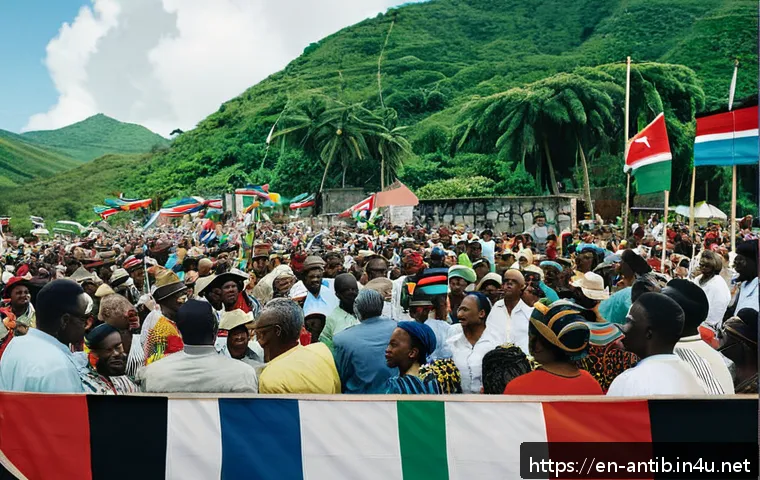
In recent years, there’s been renewed interest in how small island nations carved their own paths toward self-governance, inspiring both historians and curious travelers alike.
Today, let’s dive into the captivating story of how Antigua and Barbuda transitioned from a colonial territory to a proud, independent nation. Whether you’re passionate about history or simply love exploring cultural transformations, this tale offers valuable insights into the spirit of nationhood.
Stay with me as we uncover the milestones and moments that defined Antigua and Barbuda’s emergence on the world stage.
The Foundations of Political Awakening
Early Colonial Governance and Its Challenges
The political landscape of Antigua and Barbuda in the early 20th century was dominated by British colonial rule, which imposed a system that often marginalized local voices.
The colonial administration controlled legislative processes, and local participation was limited to advisory roles with little real power. This setup sparked a growing awareness among Antiguans and Barbudans about the necessity for self-representation and political agency.
Over time, the limitations of colonial governance became increasingly apparent, prompting local leaders and communities to push for more inclusive political structures.
The seeds of political awakening were thus sown, setting the stage for future movements toward autonomy.
Rise of Local Leadership and Political Movements
By the mid-1900s, a new generation of leaders emerged who were deeply invested in advocating for the rights and welfare of their people. Figures like Vere Cornwall Bird became central to this transformation.
Bird and his contemporaries founded political parties that challenged the colonial status quo, emphasizing issues such as education, workers’ rights, and economic development.
Their efforts galvanized public support and created a political momentum that could no longer be ignored by the colonial authorities. This era marked a turning point where local leadership began to envision a future beyond colonial dependency.
Social and Economic Factors Fueling Change
Alongside political developments, social and economic factors played a critical role in driving the independence movement. The post-war period brought increased global attention to human rights and self-determination, inspiring local populations.
Economic challenges, including dependence on sugar production and vulnerability to external market fluctuations, highlighted the need for greater control over national resources and policies.
Education reforms also empowered a wider segment of the population, fostering a more informed and engaged citizenry. These intertwined dynamics created a fertile ground for the push toward full sovereignty.
Negotiating the Path to Autonomy
Constitutional Reforms and New Governance Structures
The journey to independence involved several constitutional milestones that gradually shifted power from colonial administrators to local institutions.
Starting in the 1950s, Antigua and Barbuda experienced a series of reforms aimed at increasing self-governance. These included the establishment of a local legislative council with elected representatives and the introduction of ministerial government.
Such changes were incremental but significant, as they allowed Antiguans and Barbudans to participate more directly in decision-making processes. Each reform was carefully negotiated to balance colonial interests with the aspirations of the people.
Regional Collaboration and Influence
Antigua and Barbuda’s independence movement was also shaped by its relationships with neighboring Caribbean nations and regional organizations. The West Indies Federation, although short-lived, provided valuable lessons in regional cooperation and self-rule.
Interactions with countries like Jamaica and Barbados, which were also on paths to independence, offered political inspiration and practical support. These regional ties reinforced the belief that small island nations could successfully govern themselves and compete on the international stage.
The exchange of ideas and solidarity among Caribbean leaders was a crucial component of the independence strategy.
Negotiations with the British Government
The final steps toward independence required careful diplomacy with the British Crown. Negotiations involved complex discussions about the timing, constitutional arrangements, and the future relationship between Antigua and Barbuda and the United Kingdom.
British authorities were initially cautious but gradually accepted the inevitability of independence as local governance structures matured. The talks culminated in agreements that ensured Antigua and Barbuda would maintain certain ties to the Commonwealth while exercising full sovereignty.
These diplomatic efforts underscored the importance of pragmatic compromise and mutual respect in the decolonization process.
Symbolism and Nation-Building
Crafting a National Identity
Following independence, Antigua and Barbuda faced the challenge of forging a cohesive national identity from diverse cultural and historical influences.
Symbols such as the national flag, anthem, and emblem were carefully chosen to reflect shared values and pride. These symbols played a vital role in uniting citizens and reinforcing the notion of a distinct, sovereign nation.
The government and civil society actively promoted cultural events and educational programs that celebrated the islands’ heritage and future aspirations.
This phase of nation-building was essential in solidifying the psychological and emotional bonds among the people.
Economic Development and Infrastructure
Independence brought new responsibilities, particularly in managing the country’s economic development. Antigua and Barbuda invested in tourism, infrastructure, and education to create sustainable growth opportunities.
These efforts aimed not only to improve living standards but also to reduce economic vulnerabilities inherited from the colonial era. The government’s focus on diversifying the economy helped position the nation as an attractive destination for international visitors and investors.
Such development initiatives were integral to establishing Antigua and Barbuda’s credibility and self-sufficiency on the global stage.
Challenges in the Early Years of Independence
Despite the optimism surrounding independence, Antigua and Barbuda encountered several hurdles. Political stability needed to be maintained while building effective governance institutions.
Economic challenges persisted, including dependence on a narrow range of industries and exposure to global market shifts. Additionally, social inequalities and the need for improved public services demanded attention.
The leadership’s ability to address these issues while preserving national unity was critical in ensuring that independence translated into tangible benefits for all citizens.
These early experiences shaped the country’s approach to sustainable governance.
Key Milestones in Antigua and Barbuda’s Independence Journey
| Year | Event | Significance |
|---|---|---|
| 1951 | Introduction of Universal Adult Suffrage | Expanded political participation by allowing all adults to vote, laying groundwork for democratic governance. |
| 1967 | Associated Statehood with the UK | Granted Antigua and Barbuda internal self-government while the UK retained responsibility for defense and external affairs. |
| 1981 | Full Independence Achieved | Antigua and Barbuda became a sovereign nation within the Commonwealth, with complete control over domestic and foreign policy. |
| 1984 | Admission to the United Nations | Recognition on the international stage, enabling participation in global diplomacy and cooperation. |
| 1990s | Economic Diversification Initiatives | Efforts to reduce reliance on sugar and boost tourism and financial services sectors. |
The Role of Culture and Community in Sustaining Independence
Preserving Indigenous Traditions and Heritage
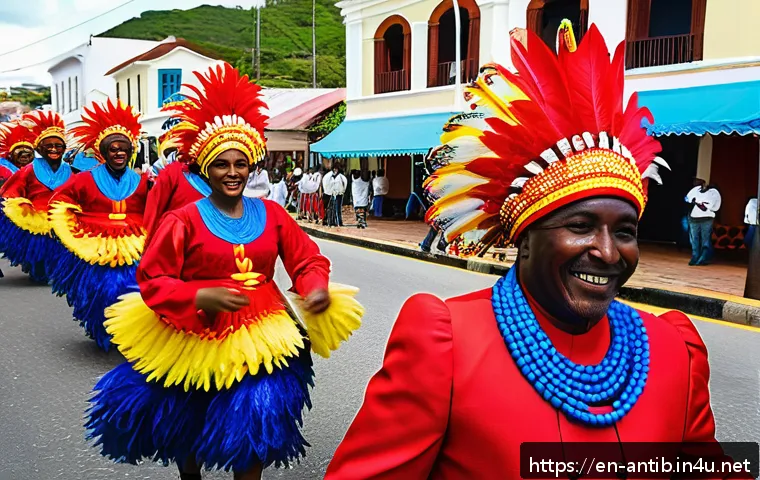
The cultural heritage of Antigua and Barbuda remains a vital pillar in maintaining national identity and pride. Traditional music, dance, and festivals such as Carnival embody the resilience and creativity of the people.
These cultural expressions not only celebrate the past but also serve as platforms for community cohesion and international cultural exchange. Efforts to document and promote indigenous knowledge have strengthened a sense of continuity and belonging among newer generations.
This cultural vibrancy contributes to the ongoing narrative of independence as a living, evolving experience.
Community Engagement and Civic Participation
Active involvement of citizens in political and social life has been fundamental to Antigua and Barbuda’s democratic health. From grassroots organizations to national forums, community engagement ensures that government policies reflect the needs and aspirations of the people.
Educational campaigns and public consultations encourage transparency and accountability, fostering trust between leaders and constituents. This participatory approach helps mitigate challenges and builds resilience against external pressures, reinforcing the sovereignty gained through independence.
International Relations and Regional Integration
Since independence, Antigua and Barbuda has pursued a foreign policy that balances national interests with regional cooperation. Membership in organizations such as the Caribbean Community (CARICOM) and the Organisation of Eastern Caribbean States (OECS) has enhanced economic, political, and social collaboration.
These alliances provide platforms for addressing shared challenges like climate change, trade, and security. By engaging actively on the international stage, Antigua and Barbuda continues to assert its voice and contribute to shaping a collective Caribbean future.
Legacy and Lessons for Small Island Nations
Embracing Sovereignty with Pragmatism
Antigua and Barbuda’s path to independence illustrates the importance of combining national pride with practical governance strategies. Sovereignty was not an end in itself but a means to improve the welfare of the people and manage resources wisely.
The nation’s leaders demonstrated that achieving independence requires patience, negotiation, and a clear vision for sustainable development. This balance between idealism and realism offers valuable guidance for other small island states navigating similar journeys.
Building Resilience in the Face of Global Challenges
The experiences of Antigua and Barbuda highlight how small nations can build resilience through diversification, community solidarity, and international partnerships.
Facing challenges like economic vulnerability and climate threats, the country has shown adaptability and innovation. These qualities are essential for small states that often operate within larger geopolitical and environmental contexts.
Antigua and Barbuda’s story inspires a proactive approach to securing long-term stability and prosperity.
Inspiring Future Generations
Finally, the narrative of Antigua and Barbuda’s independence serves as a powerful source of inspiration for youth and emerging leaders. It underscores the value of civic engagement, education, and cultural pride in nation-building.
By reflecting on this history, future generations can appreciate the sacrifices and achievements of their predecessors while contributing their own chapters.
This ongoing legacy ensures that independence remains a dynamic and cherished part of the national identity.
In Conclusion
The journey of Antigua and Barbuda toward independence is a powerful example of resilience, strategic leadership, and community spirit. Through persistent efforts and meaningful reforms, the nation transformed colonial limitations into opportunities for self-determination. This story not only reflects the island’s unique history but also highlights universal themes of empowerment and nation-building that continue to inspire.
Helpful Information to Know
1. Antigua and Barbuda gained full independence in 1981 but retained membership in the Commonwealth, balancing sovereignty with international ties.
2. The introduction of universal adult suffrage in 1951 was a critical step that expanded political participation and laid the foundation for democratic governance.
3. Regional cooperation through organizations like CARICOM has played a vital role in the country’s economic and political development.
4. Tourism and economic diversification remain key pillars for sustainable growth and reducing vulnerability to global market changes.
5. Cultural heritage, including festivals and traditional arts, continues to unite citizens and strengthen national identity.
Key Takeaways
Antigua and Barbuda’s independence movement demonstrates the importance of combining determined leadership with community involvement and pragmatic negotiation. The gradual transfer of power through constitutional reforms shows how patience and strategic planning can effectively dismantle colonial structures. Additionally, the country’s focus on cultural pride and economic diversification provides a roadmap for small island nations aiming to build resilient, self-sufficient societies. Understanding these lessons offers valuable insights into the complexities of post-colonial state-building and the ongoing pursuit of sustainable development.
Frequently Asked Questions (FAQ) 📖
Q: uestions about
A: ntigua and Barbuda’s Independence
Q: When did
A: ntigua and Barbuda gain independence, and from which colonial power? A1: Antigua and Barbuda officially gained independence on November 1, 1981. Before that, it was a British colony.
The transition marked the end of colonial rule and the beginning of self-governance for the twin-island nation. This milestone came after years of political development and growing national identity.
Q: What were some key factors that contributed to
A: ntigua and Barbuda’s successful move toward independence? A2: Several factors played crucial roles, including a strong sense of cultural pride among the people, persistent political activism, and effective leadership by local politicians who negotiated with the British government.
The islands’ strategic efforts to build institutions and promote economic self-sufficiency also helped create a stable foundation for independence.
Q: How has
A: ntigua and Barbuda’s independence influenced its culture and international presence today? A3: Independence has allowed Antigua and Barbuda to cultivate a unique cultural identity, blending African, British, and Caribbean influences.
It has also enabled the country to participate actively in regional and global organizations, promoting tourism and trade on its own terms. Personally, visiting the islands today, you can feel the pride in their history and see how independence shaped their vibrant society.