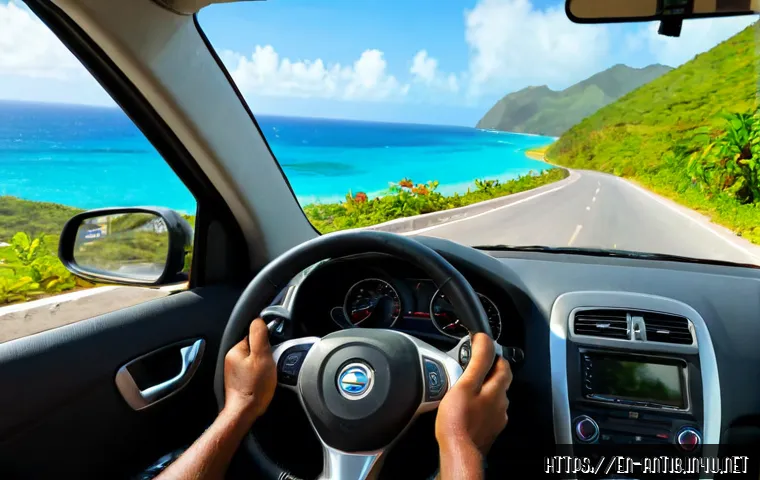
Driving in Antigua and Barbuda can be a practical choice if you want to visit beaches, villages, and attractions beyond St. John’s on your own schedule.

The key precautions are driving on the left, preparing for narrow or uneven roads, and confirming rental insurance and permit requirements before pickup.
A rental car suits travellers who value flexibility and are comfortable adapting to local road conditions. Taxis and pre-booked airport transfers can be a better fit for short stays, resort-based trips, or anyone who prefers not to deal with parking and unfamiliar night routes.
Before booking, compare the full rental terms rather than focusing only on the daily rate. Pay close attention to the insurance excess, deposit hold, vehicle condition, and roadside-assistance policy.
At a Glance
- Rent a car if you want flexible beach-hopping and feel comfortable driving on the left.
- Use taxis or pre-booked transfers if you prefer predictable transport, no parking concerns, and less responsibility on unfamiliar roads.
- Before driving, confirm licence or temporary permit requirements, insurance excess, vehicle condition, and roadside support.
| Option | Best for | Main cost drivers | Parking and risk factors |
|---|---|---|---|
| Rental car | Independent sightseeing, beach-hopping, longer stays | Rental rate, deposit, insurance coverage, add-ons, fuel | Parking needs, left-side driving, road condition, responsibility for damage |
| Taxi | Short outings, travellers who do not want to drive | Distance, waiting time, number of trips | No driving or parking responsibility, but less flexibility between stops |
| Pre-booked airport transfer | Airport arrivals, resort stays, large luggage | Pickup location, luggage needs, private or shared arrangement | Simple arrival option; additional transport may be needed for day trips |
What Visitors Should Know Before Getting Behind the Wheel
The left-side driving rule and how to adjust safely
Traffic in Antigua and Barbuda drives on the left-hand side of the road. This can feel unfamiliar, especially just after collecting a rental car at the airport. Take a few quiet minutes to adjust the seat, mirrors, controls, and your mental reference point before joining busier roads. Keep your first drive simple if possible, and avoid treating the trip from the rental lot as a test of confidence.
At junctions, roundabouts, and turns, slow down early and follow signs, lane markings, and local traffic flow. The goal is not to drive quickly; it is to stay positioned correctly and leave room for unexpected movement from other road users.
The three checks to make before leaving the rental lot
First, confirm the documents: your licence, any local or temporary driving permit requirement, rental agreement, and contact details for assistance. Visitor licence and permit rules can change, so verify the current requirement before you drive.
Second, inspect the vehicle condition. Look at the tyres, note visible marks on the bodywork, check the lights, and ask where the spare tyre and basic vehicle equipment are located. Record any existing damage with clear photos before leaving.
Third, understand the insurance and roadside-assistance terms. Ask about the insurance excess, deposit hold, exclusions, breakdown support, and what you should do after a puncture, fault, or accident. A low headline car-hire rate may not show the full financial exposure if the vehicle is damaged.
When a rental car is less practical than a transfer or taxi
A rental car may be less useful if you are staying at one resort, taking only a few planned trips, or arriving after dark and prefer not to navigate unfamiliar roads. It can also be less appealing when your accommodation has uncertain parking, limited lighting, or difficult access. In these situations, an airport transfer for arrival and taxis for selected outings may offer a calmer travel plan.
Rental Car, Taxi, or Airport Transfer: Which Option Offers Better Value?
Compare flexibility, parking, luggage space, and total trip costs
Value is not only about the booking price. A rental car gives you control over departure times and stops, which can be useful for visiting several beaches or villages in one day. However, it also brings parking decisions, insurance responsibility, and the need to drive safely on roads that may be narrow or poorly lit.
Taxis reduce the driving burden, while a pre-booked transfer can make airport arrival easier when carrying bags or travelling with children. For a resort-based stay, consider how many independent trips you realistically expect to take. For an exploration-focused itinerary, a rental car may offer more practical flexibility.
Insurance excess, deposits, and add-ons that can change the final price
When comparing car rental options, ask for the terms behind the advertised rate. Important questions include: What is the insurance excess? Is there a deposit hold? Which damage or situations are excluded? Is roadside assistance included? Are there conditions for tyres, glass, or other parts of the vehicle?
Do not assume insurance names mean identical coverage across providers. Read the rental terms and ask for clarification before paying. Check the provider’s booking page or rental desk information for the exact coverage, deposit, and assistance conditions.
Choosing a compact car, SUV, or other vehicle for local road conditions
A smaller vehicle can be easier to place on narrow lanes and around parked cars. Larger vehicles may feel more suitable for travellers with substantial luggage or families, but size does not remove the need for careful driving. Choose based on your passenger space, luggage, parking comfort, and confidence on roads with uneven shoulders, potholes, and speed bumps.
Road Conditions and Everyday Hazards to Expect
Narrow roads, potholes, speed bumps, and uneven shoulders
Road conditions can vary across Antigua and Barbuda. Expect some narrow lanes, potholes, speed bumps, and uneven road edges. Slow down where the surface changes or your view ahead is limited. Avoid sudden steering movements, particularly if another vehicle approaches on a narrow section.
Pedestrians, animals, scooters, and parked vehicles
Roads may be shared with pedestrians, cyclists, livestock, slow-moving vehicles, scooters, and parked cars. Give yourself more following distance than you might on a familiar road. Be especially alert near villages, beach access points, and areas where people may be walking beside the road.
Rain, glare, and reduced visibility after dark
Rain can reduce visibility and make surfaces more slippery, particularly where drainage is limited. Bright glare can also make it harder to judge the road ahead. After dark, limited street lighting in some areas adds another reason to plan ahead. If possible, complete unfamiliar routes during daylight and avoid relying on last-minute navigation decisions.
Safe Driving Habits That Prevent Common Visitor Mistakes
Navigating roundabouts and junctions while driving on the left
Approach roundabouts and junctions slowly. Check signs and lane position before committing to a turn, and watch carefully for vehicles, cyclists, and pedestrians. If you miss a turn, continue safely and find a suitable place to re-route rather than making a sudden correction.

Why nighttime routes need extra planning
Night driving can be more demanding because some roads have limited lighting and unfamiliar hazards are harder to see. Confirm your route before leaving, keep your phone charged, and know how to contact the rental company’s roadside support. A taxi or arranged transfer can be the more comfortable choice for evening plans if you are not confident driving after dark.
Parking carefully at beaches, towns, and accommodation
Before booking accommodation, ask about parking availability, lighting, and road access. At beaches and town stops, park only where it is safe and does not obstruct the road. Do not leave valuables visible inside the vehicle, and keep the rental agreement and provider contact details accessible.
What to document if the rental car is damaged or develops a fault
If the car develops a problem, stop in a safe place when possible and contact the rental provider using the agreed support process. Take clear photos of visible damage, the vehicle position if relevant, and any details needed for the rental report. Do not guess what insurance covers; use the provider’s instructions and keep records of your communication.
Advice by Itinerary and Driving Confidence
Resort-based stays with occasional day trips
If most of your time will be spent at one resort, compare the convenience of a rental car with airport transfers and taxis for selected outings. This approach can reduce parking and driving concerns while still allowing planned excursions.
Independent beach-hopping and island exploration
A rental car is often the most flexible option for travellers who want to set their own timetable and visit several locations. Choose this route only if you are willing to manage left-side driving, road variations, parking, and the rental insurance conditions.
First-time left-side drivers and nervous drivers
If driving on the left is new to you, start cautiously and consider limiting your driving to daylight hours. A compact car may feel less intimidating on narrow roads. If the idea of unfamiliar roads creates stress, transfers and taxis can protect your holiday time from unnecessary pressure.
Families, cruise visitors, and travellers carrying large luggage
Families and travellers with large luggage should consider pickup convenience, passenger space, and the walk from parking areas. Cruise-day visitors may find a pre-arranged transport option simpler when time is limited. For any group, confirm whether the vehicle size fits both people and bags comfortably.
Selection Criteria and Comparison Summary
Choose a rental car when flexibility matters more than the added responsibility of insurance, deposits, parking, and unfamiliar road conditions. Choose a taxi or airport transfer when you want simpler arrivals, predictable transport arrangements, or no need to drive at night. Before committing, check your licence or permit status, the insurance excess, roadside-assistance process, vehicle size, pickup location, and return terms. For exact rental insurance coverage and deposit conditions, review the provider’s detailed booking terms before confirming.
In Closing
Driving in Antigua and Barbuda can open up more of the islands beyond St. John’s, but it works best with realistic planning. Drive on the left, expect changing road conditions, and treat nighttime driving with extra care. A careful vehicle inspection and a clear understanding of rental insurance can prevent avoidable problems. If flexibility is not essential, transfers and taxis remain sensible alternatives.
Useful Information to Know
Before arrival: confirm the current visitor licence or temporary permit requirement.
At pickup: photograph existing damage and inspect tyres, lights, and the spare tyre.
During the trip: allow extra time for rain, narrow roads, speed bumps, and slower traffic.
Before returning: review the rental company’s return process and keep all relevant records.
Important Notes
Rental rules, deposit holds, insurance exclusions, roadside assistance, and local permit requirements can differ by provider and may change. Road access, parking availability, and lighting also vary by accommodation and area. Confirm these details directly with the rental company, your accommodation, and current local guidance rather than relying on general assumptions.
Frequently Asked Questions
Q1. Is it safe for tourists to drive in Antigua and Barbuda?
A1. Many visitors use rental cars, but safe driving depends on preparation and caution. Traffic drives on the left, and travellers should expect narrow roads, potholes, speed bumps, limited lighting in some areas, and other road users such as pedestrians, cyclists, livestock, and slow-moving vehicles.
Q2. Do I need extra rental insurance when hiring a car in Antigua and Barbuda?
A2. The right level of coverage depends on the rental provider’s policy and your comfort with the insurance excess and exclusions. Before booking, confirm what is included, the deposit hold, excluded damage, roadside-assistance terms, and the process for reporting a fault or accident.
Q3. Is renting a car cheaper than using taxis and airport transfers for a week-long stay?
A3. It depends on how often you plan to travel independently. A rental car may offer better practical value for frequent beach-hopping and exploration, while taxis and transfers may suit a resort-focused stay with only a few outings. Compare the full rental terms, insurance exposure, parking needs, and expected number of trips rather than relying on the base rental rate alone.