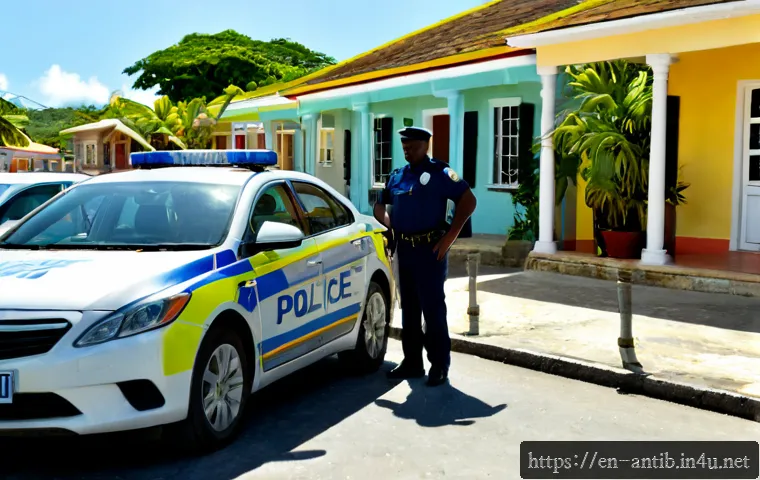
Antigua and Barbuda can be visited safely with sensible planning, but a national crime-rate headline cannot tell you whether a particular hotel, beach, transfer, or evening route is a good choice.
For most travelers, the most useful safety decisions happen before booking: choose a well-supported place to stay, arrange reliable transport, and understand what your travel insurance actually covers.
Antigua receives most international visitors and is home to the main airport, so many trip plans begin there. Theft, robbery, and other crimes of opportunity are concerns worth planning for, as they are in many tourist destinations.
Comparing a resort, villa, or vacation rental by access control, location, and guest support is more practical than relying on one destination-wide statistic.
Current advisories, local updates, property policies, and insurance terms should always be checked close to departure.
At a Glance
- Destination-level crime figures are not booking-level safety ratings. Risk can differ by area, time of day, and travel behavior.
- Accommodation security and transport planning matter. Ask about access control, pickup procedures, lighting, and guest assistance.
- Travel insurance can be useful, but coverage varies. Review theft, medical evacuation, trip interruption, and unattended-belongings exclusions before paying.
| Booking option | Potential strengths | Questions to ask before booking |
|---|---|---|
| Resort or full-service hotel | May offer staffed reception, on-site guest support, and organized transport or excursions. | Is access controlled? Is there overnight staffing? How are guests advised to travel outside the property? |
| Villa | More privacy and space, with the option to arrange dedicated services. | What is the location like after dark? Is there a property manager? Are gates, locks, lighting, and emergency contacts in place? |
| Vacation rental | Can provide flexibility and a local neighborhood setting. | Who handles check-in issues? Is transport needed for groceries, beaches, and evening plans? What security features are confirmed? |
What Travelers Should Understand About Safety Before Visiting
A quick answer for most holiday travelers
Antigua and Barbuda is a twin-island nation in the eastern Caribbean, and Antigua receives most international visitors through the main airport. A well-planned holiday does not require assuming the worst, but it does require avoiding casual decisions about late-night routes, valuables, and unverified transport. Choose a stay with clear guest support, make an arrival plan, and keep essential documents secure.
For many visitors, the practical question is not “Is the whole country safe?” It is whether their chosen accommodation, airport transfer, beach plan, and evening itinerary have reasonable safeguards. A resort guest using arranged transport may face a different set of decisions from an independent traveler staying at a private villa.
Why a single national statistic does not tell the whole story
Crime risk is not uniform across any destination. It can vary among resort areas, towns, beaches, nightlife districts, and isolated roads. A national crime rate also cannot predict the safety of one hotel, neighborhood, excursion provider, or taxi operator.
Small-population destinations can show sharp changes in crime-rate calculations when the number of reported incidents changes. That makes headlines especially easy to misread. Use broad figures as context, not as a verdict on an individual booking. Look instead at the exact location of your stay, how you will get around, and what support is available if plans change.
How to check the date, definition, and coverage of reported data
When reading crime information, check the reporting period and the definition used. A figure may cover different categories of incidents, different locations, or a period that is no longer current. It may also be unclear whether incidents are concentrated in visitor areas, resident communities, or other settings.
Before departure, review current travel advisories and local police updates alongside information from your hotel, host, or tour operator. Avoid reacting to a single dramatic headline without checking its date, source, and scope.
Compare Accommodation and Transport Options Before You Book
Resort, hotel, villa, and vacation rental security considerations
A secure hotel selection is about more than a property’s photos or star category. Ask how guests enter the property, whether reception is staffed, what happens if a key is lost, and whether the accommodation can help arrange reputable transport. For a villa or vacation rental, confirm who is responsible for guest support and whether you can reach that person outside normal hours.
Location and access are key decision points. A private property may be appealing, but it can require more active planning for arrivals, dining, shopping, and returning after dark. Check whether the route is familiar to your driver, whether exterior lighting is available, and whether you will need to walk through isolated areas.
Private airport transfer versus taxi and rental-car planning
A private airport transfer can add practical value when you are arriving late, traveling with children, carrying luggage, or going to an unfamiliar villa. The advantage is not guaranteed safety; it is having a confirmed pickup plan, a named provider, and a clear destination.
If you prefer a taxi or rental car, plan the first journey before landing. Confirm how pickup works, keep your accommodation address accessible, and avoid relying on an unverified driver or unclear meeting arrangement. Rental-car users should also consider where they will park and avoid leaving passports, bags, phones, or other visible valuables inside the vehicle.
When travel insurance may add practical value
Travel insurance may be worth comparing when a trip involves prepaid accommodation, flights, guided excursions, or medical concerns. Policies can differ on theft, medical evacuation, trip interruption, and incidents involving unattended belongings. Do not assume that “theft coverage” applies to every situation.
Read the policy wording before purchase, including exclusions, reporting requirements, document requirements, and limits that may apply. Compare coverage details rather than selecting a policy only because it is described as comprehensive.
Common Risk Situations and Practical Precautions
Protecting cash, passports, phones, and rental vehicles
Crimes of opportunity often become easier when valuables are visible or left unattended. Carry only what you expect to use, keep backups of key documents accessible separately, and use available room storage where appropriate. At the beach, avoid leaving phones, bags, and cash unattended while swimming.
For a rental car, keep belongings out of sight and take valuables with you whenever possible. A vehicle should not function as storage for travel documents, electronics, or bags between activities.
Beach, nightlife, and isolated-area planning
Beaches and nightlife areas can feel relaxed during busy periods but may feel very different after dark or when they are quiet. Plan how you will return before you go out. Use well-lit, active areas where possible, stay aware of your surroundings, and avoid poorly lit isolated routes.
This is particularly relevant for travelers leaving a resort for dinner, entertainment, or a beach visit. Know your return transport before the evening begins instead of searching for a ride when you are tired, carrying valuables, or unfamiliar with the area.
Avoiding scams and unverified transport providers
Use providers that your accommodation, airport service point, or established tour operator can identify clearly. Ask for pickup details, the vehicle description when available, and a contact method in case plans change. Be cautious about handing over personal documents or paying for services when the provider’s identity and terms are unclear.
For guided excursions, compare the itinerary, meeting location, transport arrangements, and cancellation terms. A lower-cost option is not automatically a poor choice, but unclear communication and vague pickup procedures are reasons to ask more questions.
Safety Planning by Travel Style
Families and resort-based holidays

Families may value a property with staffed assistance, easy access to meals and activities, and transport that can be arranged in advance. Keep a simple meeting plan for older children, make sure phones are charged before outings, and store emergency contacts where more than one adult can access them.
A resort-based trip can reduce the need to navigate unfamiliar routes frequently, but it does not remove the need to secure valuables or make sensible decisions outside the property.
Couples, independent visitors, and villa guests
Independent travelers and villa guests should give extra attention to arrival logistics and local transport. Confirm the exact address, check-in process, exterior access, and host availability before landing. If the property is away from busy visitor areas, arrange airport pickup and evening transport in advance.
Ask whether there are secure entry features, adequate outdoor lighting, and a local contact for urgent property issues. These practical details may be more useful than a generalized safety claim.
Solo travelers and late-night arrivals
Solo travelers benefit from reducing uncertainty. Share arrival details with a trusted contact, keep the accommodation address and transfer information available offline, and avoid announcing travel details to strangers. For late-night arrivals, a confirmed private airport transfer or accommodation-arranged pickup can simplify the first part of the trip.
Keep your first evening simple if possible. Arrive, check in, secure your documents, and become familiar with the immediate area during daylight rather than rushing into unfamiliar plans.
What to Check if You Need Current Local Information
Questions for hotels, hosts, tour operators, and transfer companies
Ask direct questions before committing to a booking. Useful questions include: Is reception or guest support available after hours? How is property access managed? Can you recommend a reputable airport transfer? What is the pickup procedure for excursions? Is there a local emergency contact for guests?
For transportation, ask where the driver will meet you, how you will identify the vehicle, and what happens if your flight is delayed. Clear answers are a positive planning signal; vague answers may mean you should compare alternatives.
How to use official alerts without overreacting to headlines
Official alerts can help travelers identify current concerns, but they should be read in full. Check the date, the specific behavior or location discussed, and whether the guidance applies directly to your itinerary. Current information can change, so review it again shortly before travel.
Use alerts to adjust plans, not to replace planning. A well-chosen hotel, reliable transport, and careful handling of valuables remain relevant regardless of broad destination headlines.
Booking and Protection Criteria: A Decision-Stage Summary
Choose accommodation based on location, access, and guest support
Compare stays by the support they provide, not only by room type or scenery. Confirm access control, lighting, staff availability, local contact procedures, and the practical distance to the places you expect to visit.
Compare transport providers by reliability and pickup procedures
For airport transfers, taxis, and guided excursions, prioritize confirmed arrangements. A provider should be able to explain pickup location, contact details, destination handling, and what happens if schedules change.
Review insurance exclusions before paying for coverage
Compare travel insurance policies for the situations that matter to your itinerary: medical support, evacuation, theft, cancellations, and interruptions. Read exclusions carefully, especially those involving unattended belongings or reporting requirements.
Selection Criteria and Comparison Summary
Before booking, check where the property is located, how guests enter and get help, how you will travel from the airport, how you will return after dark, and what your insurance policy excludes. A resort, villa, or rental can each suit the right traveler when these details are clear. Compare airport transfer options, property security information, and insurance coverage terms on the relevant provider pages before making payment.
Closing Thoughts
Antigua and Barbuda safety planning is most useful when it stays specific. Rather than treating a national crime statistic as a final answer, assess the accommodation, transport, timing, and activities you are actually considering. Secure valuables, avoid isolated poorly lit areas, and keep current contacts available. Small decisions made before departure can make a trip feel more organized and less stressful.
Useful Information to Know
Keep emergency contacts accessible: Save accommodation, transfer, insurer, and local emergency details in more than one place. Confirm current details close to travel: Advisories, police updates, hotel practices, and insurance terms can change. Plan the arrival day: A confirmed first transfer and clear check-in process can reduce avoidable uncertainty.
Important Notes
This guide does not provide a current verified national crime rate or confirm the security practices of any specific hotel, villa, rental, transport provider, or tour company. Reported incidents may not be distributed evenly across visitor areas and resident communities. Check current official information and the terms of each booking or insurance policy before traveling.
Frequently Asked Questions
Q1. Is Antigua and Barbuda safe for tourists staying at resorts?
A1. Resort guests can reduce avoidable risk by securing valuables, using reputable transport, and following property guidance. However, a resort stay is not a guarantee of safety, and conditions can differ by location, time, and individual behavior.
Q2. Should I book a private airport transfer in Antigua and Barbuda?
A2. A private airport transfer can be a practical choice for late arrivals, families, villa guests, or anyone who wants a confirmed pickup arrangement. Compare providers by their contact process, pickup instructions, and ability to handle delays rather than assuming any option is safer.
Q3. Does travel insurance cover theft or safety-related disruptions during a Caribbean trip?
A3. It may, but coverage depends on the individual policy. Check whether theft, medical evacuation, trip interruption, and unattended belongings are covered, along with the policy’s exclusions and reporting requirements.