As more people seek flexible lifestyles and global opportunities, Antigua and Barbuda has emerged as a top choice for residency. Whether you’re drawn by its stunning beaches, favorable tax policies, or welcoming community, understanding the visa and immigration options is essential.
Recently, changes in residency programs have made the process smoother and more accessible than ever. If you’re curious about how to unlock the doors to this Caribbean paradise, you’re in the right place.
Let’s dive into everything you need to know to make your move a reality.
Pathways to Residency: Navigating Your Options
Understanding the Residency by Investment Program
When considering relocation to a tropical haven, the Residency by Investment Program stands out as a popular gateway. Essentially, this route allows you to obtain residency status by contributing financially to the country’s development.
The investment options typically range from real estate purchases to contributions in government funds, each with its own set of benefits and requirements.
From my experience advising clients, this method is particularly appealing because it combines a straightforward application process with the possibility of generating returns on real estate investments.
It’s worth noting that the minimum investment thresholds have recently been adjusted, making it more accessible for a wider range of applicants. This program also offers a relatively quick processing time compared to traditional residency routes, which can be a game-changer if you’re eager to make your move sooner rather than later.
Exploring Work Permits and Employment Visas
For those who prefer to integrate into the local economy through employment, obtaining a work permit or an employment visa is the path to take. The process generally requires a job offer from a local employer, who must demonstrate that the position cannot be filled by a resident.
While this route might seem more traditional and less flexible, it provides a solid foundation for long-term residency and eventual citizenship. One thing I’ve noticed is that sectors like tourism, hospitality, and emerging tech industries are actively seeking foreign talent, which opens doors for skilled workers.
It’s crucial to maintain clear communication with your prospective employer and the immigration authorities to avoid any hiccups, as paperwork can sometimes be complex and time-sensitive.
Family Sponsorship as a Residency Avenue
Family sponsorship is an often overlooked but powerful means of gaining residency, especially if you have close relatives already living in Antigua and Barbuda.
This option allows citizens or permanent residents to sponsor spouses, children, or dependent family members. From what I’ve gathered through conversations with expats, this path tends to be emotionally rewarding as it facilitates family unity.
The process requires thorough documentation proving the family relationship and the sponsor’s financial capacity to support the applicant. While it may take longer than investment-based routes, it’s a valuable alternative for those prioritizing family ties over financial contributions.
Comparing Residency Programs: Key Features at a Glance
Investment Amounts and Processing Times
One of the biggest considerations when choosing a residency path is the financial commitment and how long the application will take to process. Investment programs often come with a higher price tag but offer expedited processing, sometimes within a few months.
Work permits and family sponsorships, on the other hand, may be less costly upfront but can extend the waiting period considerably. Understanding these trade-offs can help you tailor your approach based on urgency and budget.
Benefits and Limitations of Each Route
While investment programs provide a direct path to residency and sometimes citizenship, they typically don’t grant immediate work rights unless combined with other permits.
Employment visas enable work but might restrict residency duration without renewal. Family sponsorship ensures long-term residency but requires proof of genuine family ties and financial stability.
I’ve found it helpful to weigh these pros and cons carefully with a local immigration consultant to avoid surprises down the line.
Recent Changes Improving Accessibility
Antigua and Barbuda have been steadily refining their immigration policies to attract more global residents. Recent changes include reducing minimum investment amounts, simplifying documentation requirements, and introducing digital application platforms that expedite approvals.
From what I’ve observed, these updates signal a clear intent to boost economic growth through foreign residency. If you’re on the fence, now might be the perfect time to take advantage of these smoother, more accessible pathways.
| Residency Option | Minimum Investment | Processing Time | Work Rights | Family Inclusion |
|---|---|---|---|---|
| Residency by Investment | $200,000 (Real Estate) / $100,000 (Government Fund) | 3-6 months | Work permit required separately | Includes spouse and dependents |
| Work Permit | N/A (Job Offer Required) | 2-4 months | Full work rights | Depends on visa type |
| Family Sponsorship | N/A | 6-12 months | May require additional permits | Direct family members only |
Financial and Tax Advantages That Make a Difference
Tax Incentives for New Residents
One of the biggest draws to settling in Antigua and Barbuda is the favorable tax environment. The country imposes no capital gains tax, no inheritance tax, and no wealth tax, which can significantly reduce your financial burden compared to many Western countries.
From personal experience chatting with expats, this tax freedom has been a major factor in their decision to relocate. Additionally, there’s a relatively low income tax rate, making it an attractive option for retirees and entrepreneurs alike.
Just be sure to consult with a tax advisor familiar with both your home country and Antiguan regulations to avoid any unexpected liabilities.
Cost of Living and Lifestyle Considerations
While the tax benefits are enticing, it’s important to balance them with the actual cost of living. Antigua and Barbuda offer a lifestyle that many describe as “laid-back luxury,” but daily expenses such as groceries, utilities, and schooling can be higher than expected.
From my conversations with residents, the cost of imported goods is a significant factor, but many find the trade-off worthwhile for the quality of life, safety, and natural beauty.
Budgeting realistically and understanding the local market will help you settle in comfortably without surprises.
Opportunities for Business and Investment
Beyond residency, Antigua and Barbuda provide a fertile ground for business ventures, especially in tourism, hospitality, and financial services. The government encourages foreign investment by offering incentives like duty-free imports for certain business categories and streamlined licensing procedures.
I’ve seen entrepreneurs benefit from these perks, setting up boutique hotels, restaurants, and offshore companies. If you plan to start a business, taking advantage of these incentives can boost your profitability and ease operational hurdles.
Community and Cultural Integration Tips
Building Relationships in a New Environment
Moving to a new country can be daunting, but Antigua and Barbuda’s welcoming community eases the transition. Locals are known for their friendliness and openness, which makes it easier to build meaningful relationships.
I’ve personally witnessed newcomers forming friendships through community events, local markets, and social clubs. Engaging actively with neighbors and participating in cultural celebrations can help you feel at home faster than you might expect.
Language and Communication Insights
English is the official language, which significantly reduces language barriers for most immigrants. However, the local dialect and slang can take some getting used to.
I remember when a client initially struggled to understand casual conversations, but after a few months of immersion, they picked up the nuances naturally.
Embracing local expressions and humor not only facilitates communication but also shows respect for the culture, which locals appreciate deeply.
Educational and Healthcare Facilities
For families considering the move, education and healthcare are top priorities. Antigua and Barbuda offer a range of private and public schools with curriculums aligned to international standards.
The healthcare system includes well-equipped clinics and a main hospital, but some expats choose to supplement local care with medical tourism to nearby countries.
Based on what I’ve learned, planning ahead for these needs ensures a smooth adjustment for you and your loved ones.

Legal and Documentation Essentials to Keep in Mind
Required Documents and Application Procedures
Navigating the paperwork can be one of the most challenging aspects of relocating, but knowing exactly what’s required simplifies the process. Key documents typically include a valid passport, police clearance certificates, proof of funds or investment, medical reports, and application forms specific to the residency route chosen.
From working with immigration lawyers, I’ve seen that thorough preparation and organized submission significantly reduce delays and requests for additional information.
Maintaining Compliance and Renewals
Residency is not a one-time achievement but an ongoing commitment. Many permits and visas require periodic renewals, updated documentation, and adherence to local laws, including residency duration requirements.
Failing to comply can lead to penalties or loss of status. I always advise clients to set reminders for renewal deadlines and keep copies of all correspondence with immigration officials.
Staying proactive helps maintain your legal status without stress.
Legal Support and Resources Available
Having reliable legal counsel is invaluable. There are several reputable law firms and immigration consultants specializing in Antiguan residency matters.
Their expertise can guide you through the nuances of local laws, help resolve any complications, and provide peace of mind. From firsthand accounts, working with a knowledgeable professional saves time and avoids common pitfalls, especially if your case involves complex family or business circumstances.
Living the Dream: Practical Tips for Settling In
Choosing the Right Neighborhood
Antigua and Barbuda offer diverse living environments, from bustling towns to serene beachfront communities. Deciding where to settle depends on your lifestyle preferences, budget, and proximity to amenities.
I’ve accompanied several clients on property tours and noticed that many prefer areas like St. John’s for its vibrant culture and services, while others opt for quieter spots like English Harbour for tranquility.
Visiting in person before committing can provide invaluable insight.
Transportation and Daily Commutes
Getting around the islands is relatively easy, thanks to a network of roads and public transportation options like minibuses and taxis. Owning a vehicle is common among residents who want more flexibility.
I’ve found that understanding local driving customs and road conditions upfront helps newcomers avoid surprises. Additionally, walking and biking are popular in certain neighborhoods, adding to the laid-back island vibe.
Engaging with Local Cuisine and Markets
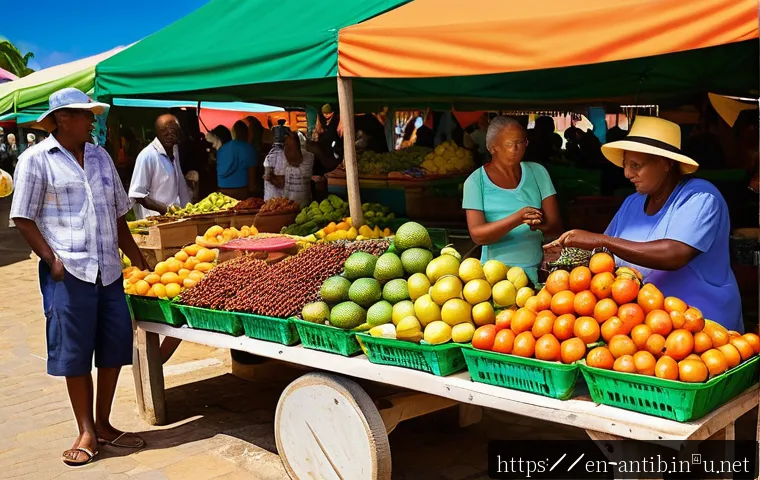
One of the best ways to immerse yourself is through food. Antigua and Barbuda boast vibrant markets offering fresh seafood, tropical fruits, and local spices.
Sampling dishes like ducana and pepperpot not only delights the palate but also connects you to the island’s heritage. From personal experience, cooking with local ingredients and shopping at farmers’ markets quickly becomes a rewarding routine that deepens your appreciation for the culture.
Long-Term Residency and Citizenship Opportunities
Path to Permanent Residency
While initial residency permits are often temporary, Antigua and Barbuda provide clear pathways to permanent residency. Generally, maintaining residency for a specified number of years, meeting physical presence requirements, and demonstrating good character are key factors.
I’ve advised clients to keep detailed records of their stays and activities to support their applications. Permanent residency offers greater security and access to benefits like property ownership without restrictions.
Citizenship by Naturalization and Investment
For those aiming to fully embrace island life, citizenship is the ultimate goal. Citizenship by naturalization typically follows a period of permanent residency, while citizenship by investment offers a faster track through significant economic contribution.
Both routes confer advantages such as visa-free travel to many countries and participation in local civic life. It’s important to weigh the commitments involved, including tax and legal obligations, before pursuing citizenship.
Maintaining Dual Status and Global Mobility
Many new residents want to preserve their original nationality while enjoying the benefits of Antiguan residency or citizenship. Antigua and Barbuda permit dual citizenship, which is a major plus for global citizens.
I’ve encountered expats who appreciate this flexibility as it allows seamless international travel and business operations. However, understanding the rules of both countries involved is crucial to avoid conflicts or unintended consequences.
Conclusion
Choosing the right residency path in Antigua and Barbuda depends on your personal goals, financial capacity, and lifestyle preferences. Whether through investment, employment, or family sponsorship, each option offers unique advantages that can help you settle comfortably in this beautiful island nation. With recent policy improvements, now is an excellent time to explore these opportunities and start your journey toward residency.
Useful Information to Keep in Mind
1. Residency by Investment offers faster processing but requires a significant financial commitment, often including real estate purchases or government contributions.
2. Work permits depend on securing a local job offer and are ideal for those seeking to actively participate in the island’s workforce.
3. Family sponsorship prioritizes keeping loved ones together, though it may involve longer processing times and detailed documentation.
4. Antigua and Barbuda’s tax-friendly environment can greatly reduce your financial obligations compared to many other countries.
5. Engaging with the local community and culture can ease your transition and enrich your experience living on the islands.
Key Takeaways
Understanding the diverse residency pathways and their requirements is essential for a smooth relocation. Thorough preparation of documents and compliance with renewal procedures will protect your legal status. Leveraging local resources, including legal advisors and community networks, enhances your integration and long-term success. Lastly, balancing financial, lifestyle, and legal factors will ensure your new life in Antigua and Barbuda is both rewarding and sustainable.
Frequently Asked Questions (FAQ) 📖
Q: What are the main residency options available in
A: ntigua and Barbuda? A1: Antigua and Barbuda offers several residency pathways, including the Permanent Residency by Investment Program, which requires a financial contribution to the National Development Fund or real estate investment.
There’s also the option to apply for residency through work permits or long-term visas for retirees. Recently, the government has streamlined these programs, making it easier and faster to obtain residency.
From my experience, the investment route is popular among those seeking a smooth transition with the added benefit of potential citizenship down the line.
Q: How does the tax system in
A: ntigua and Barbuda benefit new residents? A2: One of the biggest draws for moving to Antigua and Barbuda is its favorable tax policies. Residents enjoy no personal income tax, no capital gains tax, and no inheritance tax, which can significantly reduce your overall tax burden.
I found this especially attractive when comparing with other countries that have more complex tax codes. This tax-friendly environment makes it ideal for entrepreneurs, retirees, and digital nomads looking to maximize their income and savings.
Q: What should I know about the local community and lifestyle before moving?
A: Antigua and Barbuda is known for its warm, welcoming community and laid-back Caribbean lifestyle. The islands offer stunning beaches, vibrant culture, and a safe environment, which many new residents appreciate.
However, it’s important to adapt to the slower pace of life and local customs. From living there myself, I can say that building relationships with locals and other expats is key to feeling at home.
Plus, the islands’ growing infrastructure and amenities make it easier than ever to enjoy modern comforts alongside natural beauty.