Exploring the Official Languages of Antigua and Barbuda You Didn’t Know About

webmaster

앤티가 바부다 공용어 - A vibrant street scene in Antigua and Barbuda showcasing locals engaging in lively conversation, wit...

Antigua and Barbuda is a vibrant Caribbean nation known for its stunning beaches and rich cultural heritage. While many might assume English is the official language here, the reality is a bit more nuanced, reflecting the islands’ unique history and diverse influences.

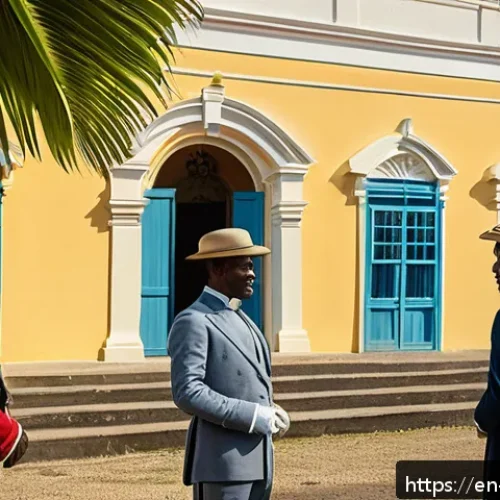
앤티가 바부다 공용어 관련 이미지 1

Understanding the common languages spoken can offer deeper insight into daily life and communication on these beautiful islands. Whether you’re planning a visit or just curious about Caribbean cultures, knowing the linguistic landscape is essential.

Let’s dive in and explore the official language and how it shapes Antigua and Barbuda’s identity. I’ll walk you through all the details so you get the full picture!

Understanding the Language Landscape of Antigua and Barbuda

The Official Language and Its Role

English holds the official language status in Antigua and Barbuda, and it’s the primary medium for government, education, and business. But what’s interesting is how this standard English is flavored by the local culture and everyday interactions.

When I visited, I noticed that while formal settings stick closely to British English norms, casual conversations often slip into a more relaxed, Caribbean-infused version of English.

This blend reflects the islands’ colonial history intertwined with the vibrant spirit of the locals. So, although official documents, schools, and media use English, the way it’s spoken on the streets feels warm and distinctly Caribbean, which gives a unique charm to communication here.

Creole and Dialect Influences

Beyond the official language, Antiguan Creole English is a vital part of the linguistic identity. This dialect isn’t just a casual slang but a full-fledged way of speaking that carries the islanders’ history and traditions.

When I chatted with locals, they effortlessly switched between standard English and Creole, depending on the context. It’s a lively and expressive form that includes unique vocabulary, rhythm, and intonation.

For visitors, picking up a few Creole phrases can be a great way to connect on a deeper level and appreciate the culture beyond the surface. The use of Creole is especially common in music, storytelling, and informal settings, creating a sense of community and belonging.

Language in Education and Media

Schools in Antigua and Barbuda use English as the medium of instruction, which ensures that everyone learns a standardized form of the language. However, teachers often acknowledge the Creole spoken by students and sometimes incorporate it to make lessons more relatable.

Media outlets, including radio and television, predominantly broadcast in English but frequently feature programs that highlight local dialects and cultural expressions.

This balance helps preserve the linguistic heritage while maintaining effective communication with the wider English-speaking world. Personally, I found that this approach helps younger generations stay connected to their roots while preparing them for global opportunities.

Advertisement

How Language Shapes Daily Life and Social Interaction

Communication Styles Among Locals

Talking with Antiguans and Barbudans, I noticed that language isn’t just about words—it’s about connection. The way people speak reflects friendliness, respect, and community values.

You’ll often hear a melodic cadence, warm greetings, and expressive gestures that complement the spoken words. This makes everyday interactions feel welcoming and genuine.

It’s common for locals to use humor and storytelling to build rapport, which adds layers to communication beyond just language. Understanding these nuances is key if you want to truly engage with the culture during your visit.

The Role of Language in Festivals and Traditions

Language plays a big role in Antigua and Barbuda’s cultural events, from Carnival to traditional dances and ceremonies. Songs, chants, and spoken word performances often use Creole or a blend of English and Creole, preserving oral traditions passed down through generations.

I was lucky enough to experience a local festival where the language used in performances brought history and identity alive in a way that pure English couldn’t capture.

This linguistic mix helps keep cultural heritage vibrant and accessible, especially to younger islanders who participate with pride.

Language and Tourism Interaction

For tourists, English is a huge advantage—it makes communication straightforward in hotels, restaurants, and tours. However, travelers who try to understand or use some local phrases often find that it breaks the ice and enriches their experience.

Many locals appreciate when visitors show interest in their dialect and culture, leading to more meaningful conversations. From my experience, even a simple “Wha gwan?” (a common Creole greeting) can open doors to friendships and insider tips that you won’t find in guidebooks.

Advertisement

Other Languages and Multilingual Influences

Immigrant Communities and Language Diversity

While English dominates, Antigua and Barbuda also hosts immigrant communities from various parts of the Caribbean and beyond, bringing additional languages into the mix.

Languages like Spanish, French, and Haitian Creole can be heard in neighborhoods and markets, reflecting the islands’ openness and diversity. I encountered shop owners and neighbors who were bilingual or multilingual, navigating different languages with ease.

This linguistic diversity enriches the cultural fabric and offers visitors a glimpse into the broader Caribbean diaspora.

Language Learning Trends Among Youth

Young people in Antigua and Barbuda are increasingly exposed to global languages through media, education, and travel. Many are learning Spanish or French as second languages, recognizing the value of multilingualism in career and cultural exchanges.

From conversations with local students, it’s clear that there’s a growing enthusiasm for expanding language skills beyond English and Creole. This trend helps position the islands as a bridge between the Anglophone Caribbean and other linguistic regions.

Language Preservation Efforts

Despite the dominance of English, there’s a strong movement to preserve and promote Antiguan Creole and other local languages. Cultural organizations and schools run programs that celebrate linguistic heritage through storytelling, music, and language workshops.

When I attended one such event, it was inspiring to see elders passing down their knowledge to younger generations, ensuring that the unique language identity isn’t lost over time.

These efforts highlight the community’s commitment to honoring their past while embracing the future.

Advertisement

Practical Language Tips for Visitors

Key Phrases to Know

Learning some basic phrases in Antiguan Creole can go a long way in making your trip more enjoyable and immersive. Simple greetings, expressions of gratitude, and common questions will help you connect with locals on a personal level.

For instance, “Mawnin” means good morning, and “Tank yuh” is thank you. I found that even when my pronunciation wasn’t perfect, the effort was appreciated and often met with smiles and helpful corrections.

This kind of interaction made my visit feel more authentic and friendly.

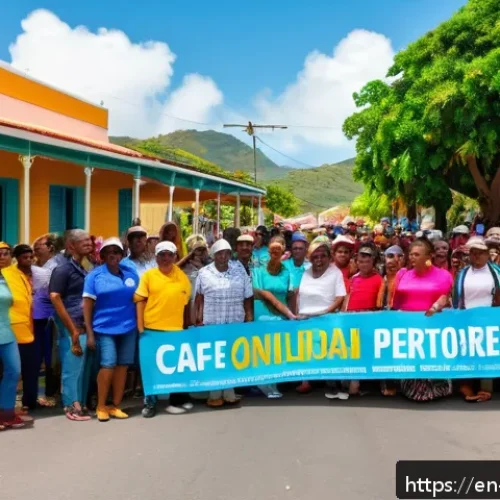
앤티가 바부다 공용어 관련 이미지 2

Understanding Local Communication Styles

Beyond vocabulary, it’s helpful to recognize how Antiguans communicate nonverbally and contextually. They often use indirect ways to express opinions or avoid confrontation, favoring politeness and harmony.

When I first encountered this style, I had to adjust my direct approach to better fit the local rhythm of conversation. Being patient and attentive to tone and body language can help you interpret meanings more accurately and avoid misunderstandings.

Language and Accessibility

If you’re traveling with specific language needs or disabilities, Antigua and Barbuda’s reliance on English is generally advantageous. Most services in tourism and healthcare use clear English, and English signage is common.

However, outside major tourist areas, English fluency may vary, so having a translation app or phrasebook can be helpful. I personally carried a small guidebook and found it invaluable for navigating markets and rural areas where English was spoken more casually or mixed with Creole.

Advertisement

Comparing Official and Local Language Usage

Formal vs. Informal Contexts

In Antigua and Barbuda, the difference between formal and informal language use is quite distinct. Official settings like courts, government offices, and schools stick closely to formal English.

Meanwhile, informal contexts such as family gatherings, street markets, and social events lean heavily on Creole and colloquial English. This duality means that language serves different social functions and reflects the islanders’ adaptability.

I observed that locals switch effortlessly between these modes, which highlights their linguistic flexibility and cultural pride.

Language in Business and Commerce

Business communication primarily happens in English, especially in dealings with international partners and tourists. However, within local businesses and informal markets, Creole often dominates.

I noticed this when visiting local shops and eateries where negotiations and casual chats were lively and Creole-rich, creating a more relaxed atmosphere.

This dynamic demonstrates how language adapts to suit different economic and social environments, blending professionalism with cultural authenticity.

Language Table: Overview of Language Use in Antigua and Barbuda

Aspect Language Used Context Notes
Official Documents and Education Standard English Government, schools, media Follows British English norms
Everyday Conversation Antiguan Creole English Homes, social gatherings, informal settings Rich in local expressions and culture
Festivals and Cultural Events Mix of English and Creole Music, storytelling, performances Preserves oral traditions
Immigrant Communities Spanish, French, Haitian Creole Neighborhoods, markets Reflects linguistic diversity
Business and Commerce English and Creole Formal business, local markets Depends on audience and context
Advertisement

Language and Identity: The Heart of the Islands

Language as a Cultural Anchor

Language in Antigua and Barbuda is more than just a tool for communication—it’s a living symbol of identity and resilience. The blend of English and Creole reflects centuries of history, from colonial times to independence, shaping how islanders see themselves and their place in the world.

When I spoke with locals about their language, many expressed pride in this dual heritage, seeing it as a bridge between their past and future. This connection adds depth to every conversation and encounter on the islands.

Preserving Linguistic Heritage Amid Globalization

As globalization influences even the most remote places, Antigua and Barbuda face challenges in maintaining their unique linguistic identity. The influx of foreign media and tourism can sometimes overshadow local dialects, but community efforts and cultural education help keep the language vibrant.

During my stay, I witnessed young people embracing their heritage through language arts and music, which is a hopeful sign for the future. These preservation efforts ensure that the islands’ voice remains distinct and strong in a changing world.

Personal Reflections on Language Diversity

From my experience, the linguistic diversity of Antigua and Barbuda adds richness to the travel experience. It’s not just about speaking English; it’s about tuning into the rhythms and stories carried by the local dialects.

The warmth and expressiveness of the language make interactions memorable and meaningful. For anyone curious about Caribbean culture, diving into the language scene here offers a window into the soul of the islands—vibrant, resilient, and wonderfully unique.

Advertisement

Conclusion

Antigua and Barbuda’s language landscape is a fascinating blend of tradition and modernity, where English and Creole coexist harmoniously. Experiencing this linguistic diversity firsthand reveals much about the islands’ culture, identity, and social fabric. Embracing both the formal and informal ways of speaking enriches any visit and deepens the connection with the local community. Ultimately, language here is a vibrant expression of heritage and everyday life.

Advertisement

Useful Information to Know

1. English is the official language used in government, education, and media, following British norms.

2. Antiguan Creole is widely spoken in informal settings and carries deep cultural significance.

3. Learning a few Creole phrases can enhance interactions and show respect for local culture.

4. The islands host diverse immigrant languages, adding to the rich linguistic environment.

5. Preservation efforts for Creole and local dialects are ongoing, supported by schools and cultural groups.

Advertisement

Key Takeaways

Understanding the dual role of English and Creole is essential to grasping Antigua and Barbuda’s unique cultural identity. Formal communication relies on standardized English, while everyday life thrives on the warmth and expressiveness of Creole. Visitors who appreciate and engage with this linguistic blend often find their experiences more rewarding and authentic. Finally, the islands’ commitment to preserving their languages amid globalization ensures that their vibrant heritage will continue to flourish for generations to come.

Frequently Asked Questions (FAQ) 📖

Q: What is the official language of

A: ntigua and Barbuda? A1: The official language of Antigua and Barbuda is English. It is used in government, education, and official communications, making it the primary language for most formal settings.
However, the way English is spoken here includes a distinctive Caribbean flavor, with local expressions and accents that reflect the islands’ cultural heritage.

Q: Are there any other languages or dialects commonly spoken in

A: ntigua and Barbuda? A2: Yes, besides standard English, many locals speak Antiguan Creole, which is an English-based creole language. This creole incorporates African, Caribbean, and colonial influences and is often used in informal conversations, music, and storytelling.
While it’s not officially recognized, it’s an important part of daily life and cultural identity.

Q: How does the language influence the culture and daily interactions in

A: ntigua and Barbuda? A3: Language in Antigua and Barbuda is more than just a communication tool; it’s deeply tied to cultural expression. The use of English combined with Antiguan Creole creates a warm and friendly environment that visitors often notice right away.
It shapes social interactions, local music, and festivals, giving you a true sense of the islands’ vibrant personality and history. From my own experience chatting with locals, I found that understanding some Creole phrases really helped me connect on a more personal level.

📚 References


➤ Link

– Google Search

➤ Link

– Bing Search

➤ Link

– Google Search

➤ Link

– Bing Search

➤ Link

– Google Search

➤ Link

– Bing Search

➤ Link

– Google Search

➤ Link

– Bing Search

➤ Link

– Google Search

➤ Link

– Bing Search

➤ Link

– Google Search

➤ Link

– Bing Search

➤ Link

– Google Search

➤ Link

– Bing Search
Advertisement