Discover How Antigua and Barbuda’s Marine Protected Areas Are Safeguarding Ocean Life and Boosting Eco-Tourism

webmaster

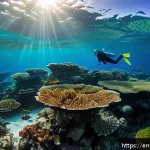
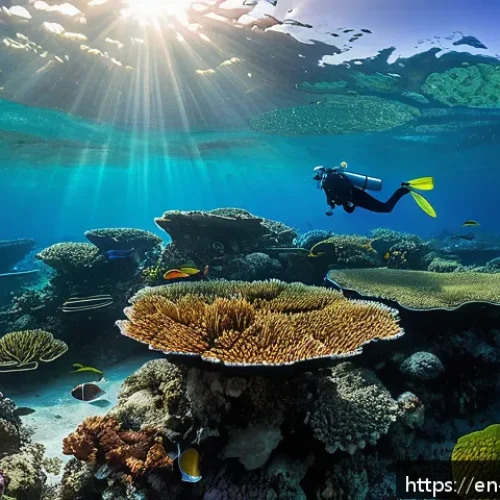
앤티가 바부다 해양 보호구역 - A vibrant underwater scene showcasing a thriving coral reef ecosystem in Antigua and Barbuda’s marin...

As climate change and overfishing continue to threaten our oceans, Antigua and Barbuda are stepping up with innovative marine protected areas that are making waves in conservation.

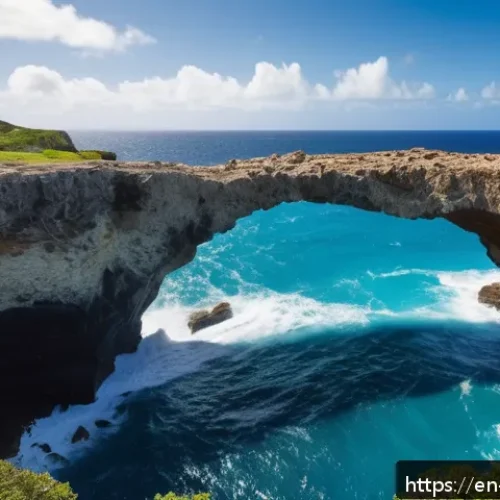
앤티가 바부다 해양 보호구역 관련 이미지 1

These vibrant underwater sanctuaries are not only preserving rich biodiversity but also attracting eco-conscious travelers eager to experience pristine marine life.

From colorful coral reefs to thriving fish populations, the positive impact on both nature and local communities is undeniable. Join me as we dive into how these protected zones are reshaping eco-tourism while safeguarding ocean health for generations to come.

This growing movement offers a hopeful glimpse into sustainable travel and environmental stewardship in the Caribbean.

Innovative Strategies Behind Marine Conservation Success

Community-Driven Management Models

One of the standout features of Antigua and Barbuda’s marine protected areas (MPAs) is the deep involvement of local communities in managing these zones.

Unlike top-down conservation approaches that often alienate residents, here, fishermen, tour operators, and conservationists collaborate to create rules that balance ecological health with economic needs.

From my conversations with local fishers, it’s clear they feel a genuine sense of ownership over the reefs and fish stocks. This shared responsibility not only fosters compliance but also sparks innovative solutions like seasonal fishing bans and reef restoration projects led by community volunteers.

Such grassroots participation ensures that protection efforts are culturally sensitive and practically enforceable, which is crucial in small island settings.

Science-Backed Zoning and Monitoring

Behind the scenes, Antigua and Barbuda have invested heavily in scientific research to inform the design of their MPAs. Using satellite mapping, underwater drones, and regular biodiversity surveys, experts identify critical habitats, breeding grounds, and migration corridors to prioritize for protection.

This data-driven zoning divides areas into no-take zones, sustainable use zones, and buffer zones, each with tailored regulations. What impressed me most was the integration of traditional ecological knowledge with modern science, allowing for nuanced management that respects both nature and culture.

Continuous monitoring also means any negative trends can be spotted early, enabling adaptive management rather than static rules that might become obsolete.

Eco-Tourism as a Conservation Engine

The MPAs aren’t just about preservation—they’re also designed to fuel sustainable tourism. By promoting responsible snorkeling, diving, and guided wildlife tours, Antigua and Barbuda have created a steady revenue stream that incentivizes reef protection.

I experienced firsthand how local guides educate visitors about coral health and fish behavior, turning each trip into a mini environmental lesson. Moreover, tourism revenues fund conservation patrols and community projects, creating a virtuous cycle.

The emphasis on low-impact tourism ensures that natural beauty isn’t compromised by visitor pressure. This model is inspiring because it aligns economic interests with conservation goals, turning tourists into active stakeholders in marine health.

Advertisement

Ecological Outcomes and Biodiversity Recovery

Coral Reef Resilience and Regeneration

One of the most visible successes of the protected areas is the remarkable recovery of coral reefs. After years of decline due to bleaching events and overfishing, many reef sections now show vibrant coral growth and increased structural complexity.

From what I observed while snorkeling, the corals are not only growing back but are also attracting a richer variety of marine life, from colorful reef fish to crustaceans and sponges.

This resurgence enhances the reef’s ability to withstand future climate shocks, acting as a natural buffer against storms and erosion. It’s encouraging to see how targeted protection and reduced human stressors can give ecosystems a fighting chance to bounce back.

Fish Population Rebounds and Spillover Effects

The no-take zones within the MPAs have become underwater sanctuaries where fish populations thrive without the threat of harvesting. Larger, mature fish are now commonly spotted, which is a strong indicator of a healthy reproductive stock.

Fishermen I spoke with confirmed that nearby fishing grounds are benefiting from a spillover effect—juvenile fish migrate out of the protected areas, boosting catches in adjacent zones.

This phenomenon not only improves food security but also demonstrates the economic benefits of conservation measures. The balance between no-take and sustainable use zones seems to be carefully calibrated to maximize both biodiversity and livelihoods.

Species Diversity and Endangered Marine Life

The MPAs also serve as critical refuges for endangered and vulnerable species. Hawksbill turtles, once heavily poached, are increasingly sighted nesting on protected beaches.

Similarly, populations of parrotfish and queen conch, vital for reef health and local cuisine, are rebounding. The presence of apex predators like reef sharks is another positive sign, indicating a restored food web balance.

These ecological indicators underscore the success of holistic protection strategies that address habitat, species, and human pressures simultaneously.

Advertisement

Socioeconomic Impacts on Local Communities

Enhanced Livelihood Opportunities

The establishment of marine protected areas has opened up new income streams for residents beyond traditional fishing. Eco-tourism businesses, such as guided snorkeling tours, boat rentals, and eco-lodges, are growing steadily.

I chatted with a local entrepreneur who started a small dive shop after the MPAs were declared; she mentioned that tourist interest in sustainable travel has boosted her earnings significantly.

Additionally, training programs for conservation jobs and hospitality services are creating employment opportunities, especially for youth. This diversification helps reduce dependence on fishing, which can be unsustainable if unregulated.

Community Education and Stewardship

Conservation initiatives in Antigua and Barbuda emphasize environmental education at all levels. Schools incorporate marine science into their curriculum, and community workshops teach sustainable fishing practices and coral reef care.

I attended a local outreach event where children learned how to identify different fish species and understand the importance of clean oceans. This educational approach builds a conservation ethic from a young age and strengthens community resilience against environmental challenges.

The sense of pride and responsibility that emerges is palpable and essential for long-term success.

Challenges and Adaptations

Despite many successes, challenges remain. Illegal fishing and occasional poaching test enforcement capabilities, especially in remote areas. Climate change impacts such as warming waters and hurricanes also pose ongoing threats.

However, adaptive management, community vigilance, and external partnerships have helped the MPAs stay resilient. Local leaders openly acknowledge these hurdles and are committed to continuous improvement.

Their proactive stance, combined with international support, offers hope that these marine sanctuaries will endure and thrive.

Advertisement

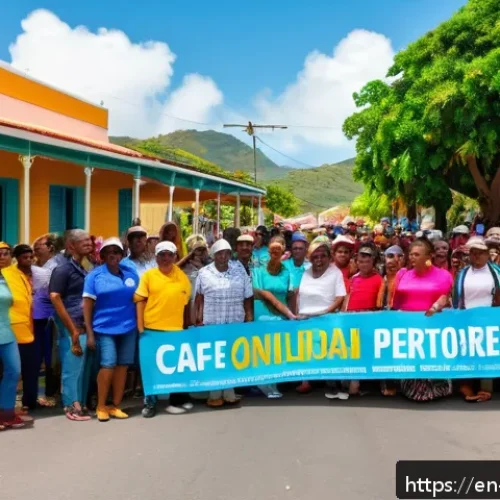
앤티가 바부다 해양 보호구역 관련 이미지 2

Tourism Trends and Visitor Experiences

Rise of Eco-Conscious Travelers

There’s a noticeable shift in the type of visitors arriving in Antigua and Barbuda. More travelers now prioritize sustainable experiences that align with their environmental values.

From my conversations with tourists, many choose the islands specifically because of their commitment to marine protection. Activities like guided reef snorkeling, turtle watching, and eco-friendly boat tours are increasingly popular.

This demand encourages local businesses to adopt greener practices, such as reducing single-use plastics and implementing reef-safe sunscreen policies.

The overall visitor experience is enriched by the knowledge that their presence supports conservation efforts.

Authentic Marine Encounters

Unlike heavily commercialized destinations, Antigua and Barbuda offer intimate, authentic interactions with marine ecosystems. Small group tours and expert guides create personalized experiences where visitors can learn about coral biology, fish behavior, and conservation challenges firsthand.

I found these experiences deeply rewarding, as they foster a connection that goes beyond surface-level enjoyment. The ability to see healthy reefs teeming with life, combined with meaningful education, leaves a lasting impression and often inspires repeat visits or advocacy for ocean protection.

Balancing Access and Preservation

Managing visitor impact is a delicate balancing act. The authorities have implemented visitor caps in sensitive areas and strict guidelines to minimize physical damage to reefs.

For example, mooring buoys prevent anchors from destroying coral, and snorkelers are briefed on responsible behavior. These measures sometimes require patience and adjustment from tourists, but the long-term benefits are clear.

By protecting the very resources that attract visitors, Antigua and Barbuda ensure that their marine environments remain pristine and accessible for future generations.

Advertisement

Policy Framework and International Collaboration

National Legal Protections and Enforcement

The success of Antigua and Barbuda’s marine protected areas is rooted in a robust legal framework that clearly defines the rights, responsibilities, and penalties associated with marine use.

Legislation supports zoning plans, fishing restrictions, and pollution controls, providing the backbone for effective management. Enforcement is carried out by dedicated marine wardens who patrol key sites regularly.

What stands out is the combination of strict laws with community buy-in, which results in higher compliance rates compared to places relying solely on government enforcement.

This synergy between policy and people is a critical factor in the program’s effectiveness.

Regional Partnerships and Knowledge Sharing

Antigua and Barbuda actively participate in regional marine conservation networks, exchanging best practices and scientific data with neighboring Caribbean nations.

This collaboration enhances the capacity to address transboundary issues like migratory species protection and climate resilience. For instance, joint training workshops and coordinated patrols have improved enforcement and monitoring efforts.

I learned that these partnerships also open doors to funding and technical support from international organizations, amplifying the islands’ conservation impact.

The interconnectedness of Caribbean marine ecosystems makes this regional approach both logical and necessary.

Incorporation of Climate Change Adaptation

Recognizing that climate change is a pervasive threat, Antigua and Barbuda’s marine policies explicitly incorporate adaptation strategies. These include protecting climate refugia, enhancing coral restoration projects, and promoting mangrove conservation for shoreline stabilization.

Adaptive management frameworks allow for flexible responses as conditions evolve, which I find particularly forward-thinking. By anticipating future challenges and integrating them into present-day planning, the islands are setting a standard for climate-smart marine conservation in the region.

Advertisement

Marine Protected Areas: Key Features and Benefits Summary

Feature Description Benefits
Community Involvement Local stakeholders actively participate in decision-making and management Improved compliance, culturally relevant solutions, enhanced stewardship
Scientific Monitoring Use of technology and surveys to guide zoning and track ecosystem health Data-driven decisions, early problem detection, adaptive management
Zoning Regulations Defined no-take, sustainable use, and buffer zones tailored to ecosystem needs Balanced conservation and resource use, protection of critical habitats
Eco-Tourism Integration Promotion of sustainable tourism activities linked to marine protection Economic incentives for conservation, increased public awareness
Species and Habitat Recovery Protection leads to coral regeneration, fish population rebounds, endangered species return Enhanced biodiversity, ecosystem resilience, improved fisheries
Legal Framework and Enforcement Strong laws and active patrolling support MPA effectiveness Reduced illegal activities, sustained conservation outcomes
Regional Collaboration Partnerships with neighboring countries for shared marine management Addressing transboundary issues, resource sharing, capacity building
Climate Adaptation Measures Incorporation of climate resilience strategies in MPA planning Future-proofing ecosystems, protecting vulnerable habitats
Advertisement

Conclusion

The marine conservation efforts in Antigua and Barbuda showcase how combining community engagement, science, and sustainable tourism can lead to thriving ecosystems and resilient local economies. These innovative strategies demonstrate that protecting marine biodiversity is not only possible but also beneficial for everyone involved. The ongoing commitment and adaptability of stakeholders give hope for a sustainable future in marine management.

Advertisement

Useful Information to Know

1. Community involvement in marine protection enhances compliance and creates culturally relevant solutions that last.
2. Scientific monitoring using advanced technology allows for early detection of environmental changes and informed decision-making.
3. Zoning regulations balance conservation needs with sustainable resource use, protecting critical habitats effectively.
4. Eco-tourism generates vital income for local communities while promoting awareness and support for marine conservation.
5. Strong legal frameworks combined with regional partnerships improve enforcement and address broader environmental challenges.

Advertisement

Key Takeaways

Successful marine conservation depends on a collaborative approach that integrates local knowledge, scientific research, and economic incentives. Adaptive management practices ensure that protection measures remain effective despite environmental and social challenges. Sustainable tourism and education foster a stewardship ethic among communities and visitors alike, while legal and regional frameworks provide the necessary support for long-term ecosystem resilience and biodiversity recovery.

Frequently Asked Questions (FAQ) 📖

Q: uestionsQ1: What makes

A: ntigua and Barbuda’s marine protected areas unique compared to other conservation efforts? A1: Antigua and Barbuda have taken a hands-on, community-driven approach to marine conservation that sets them apart.
Unlike large-scale, government-only projects, these protected areas involve local fishers, residents, and eco-tourism operators working together. This collaboration not only ensures stricter protection of coral reefs and fish populations but also creates economic opportunities through sustainable tourism.
The integration of traditional knowledge with modern conservation science results in vibrant underwater sanctuaries that truly thrive, making it a model for other Caribbean nations.

Q: How do marine protected areas in

A: ntigua and Barbuda benefit eco-tourists? A2: For eco-tourists, these protected zones offer an unmatched chance to witness healthy, colorful coral reefs and abundant marine life in their natural habitat.
Snorkeling and diving experiences here are richer because the ecosystems are less disturbed, meaning clearer waters and more diverse species. Additionally, many tours emphasize education about conservation efforts, allowing travelers to connect deeply with the environment and local culture.
From my own visits, I noticed how the guides’ passion and knowledge enhanced the experience, making every dive feel like a meaningful adventure rather than just a recreational activity.

Q: What impact do these marine protected areas have on local communities?

A: The impact on local communities is profound and multifaceted. By protecting fish stocks, these areas support traditional fishing livelihoods, ensuring long-term food security and income.
At the same time, they help diversify the local economy through eco-tourism jobs—guides, boat operators, and hospitality workers all benefit. The sense of pride and ownership among residents is palpable, as they see firsthand how protecting their natural resources leads to healthier oceans and stronger communities.
From what I’ve observed, this balance between conservation and community well-being is key to the ongoing success of these protected areas.

📚 References


➤ Link

– Google Search

➤ Link

– Bing Search

➤ Link

– Google Search

➤ Link

– Bing Search

➤ Link

– Google Search

➤ Link

– Bing Search

➤ Link

– Google Search

➤ Link

– Bing Search

➤ Link

– Google Search

➤ Link

– Bing Search

➤ Link

– Google Search

➤ Link

– Bing Search

➤ Link

– Google Search

➤ Link

– Bing Search
Advertisement